Truck Accident Evidence Mistakes: Why Records May Need Prompt Attention
Truck accident evidence preservation mistakes can allow electronic data, driver records, vehicle evidence, and witness details to become harder to use; Atlanta Auto Law identifies vulnerable records and works to preserve relevant evidence for a truck accident claim.
Written by Ronnie Mabra
Request an Estimate
Truck accident evidence may be compromised by evidence preservation mistakes after a collision. Atlanta Auto Law reviews the available facts, identifies who controls important records, and takes steps to protect evidence that may support liability, causation, or damages.
Our team can also explain how this work fits within our Truck Accident Claims service.
Author: Ronnie Mabra
Why Truck Accident Evidence Needs Prompt Attention
Truck accident evidence needs prompt attention because electronic records, physical vehicle evidence, and witness information can become unavailable or less reliable as time passes.
A commercial trucking company may control motor carrier records, vehicle data, driver files, and maintenance materials. Evidence preservation helps identify those materials before spoliation, which is the loss, destruction, or serious alteration of evidence that should have been kept.
We assess which evidence holders may have relevant information and send a preservation notice when the claim calls for one.
Mistake 1: Waiting to Identify the Trucking Company and Other Evidence Holders
Waiting to identify the trucking company and other evidence holders can leave important records outside the claim investigation. The motor carrier, truck owner, broker, shipper, and other parties may each control different information.
This mistake often happens when the first investigation focuses only on the driver. The cost is a narrower view of responsibility and a greater risk that records are not preserved.
We identify possible evidence holders from the crash report, vehicle information, shipping documents, and available claim materials. We then evaluate a preservation notice or records request for each relevant custodian.
Mistake 2: Failing to Preserve Truck Black Box Data
Black box data is electronic crash and vehicle-operation information that may come from an event data recorder, electronic control module, or engine control module.
The data may help show vehicle movement, braking, speed-related information, or other conditions recorded by the truck. The cost of overlooking it can include weaker proof of negligence or causation.
We determine which module may contain relevant information and coordinate the evidence review as part of the claim investigation.
Mistake 3: Assuming Black Box Data Cannot Be Lost or Overwritten
Black box data can be lost or overwritten when continued vehicle operation, repairs, module changes, or data-retention practices affect stored information.
An electronic logging device and telematics platform may also retain related information under separate rules or systems. The cost is the possible loss of crash data and the ability to compare electronic records with other evidence.
We ask about data retention, possible overwrite events, and the truck’s post-crash use. Our team preserves available electronic records before their condition changes further.
Mistake 4: Letting the Truck or Cargo Be Repaired, Moved, or Disposed of Without Documentation
Allowing a commercial truck, trailer, or cargo to be repaired, moved, or disposed of without documentation can change or remove physical evidence.
Vehicle inspection findings may depend on the condition of the brake system, tires, damage patterns, and other maintenance conditions. The cost is the loss of evidence that may connect a defect, repair, loading issue, or impact force to the collision.
We arrange a documented review of relevant vehicle evidence when appropriate. We also examine available repair records, inspection materials, photographs, and cargo records.
Mistake 5: Relying Only on the Police Crash Report
A police crash report is an important record, but it is not the complete accident investigation.
The report may contain a driver statement or collision diagram, but it may not include every witness, video source, vehicle detail, or later-discovered fact. The cost is reliance on an incomplete account of the crash scene.
We compare the police crash report with photographs, physical evidence, medical documentation, electronic records, and independent evidence. That comparison can reveal facts that require further investigation.
Mistake 6: Overlooking Driver, Hours-of-Service, and Maintenance Records
Driver and carrier records can show whether fatigue, training, inspection, or maintenance issues may relate to the collision.
Relevant materials may include hours-of-service records, electronic logging records, the driver qualification file, inspection records, maintenance records, and driver logs. The cost of overlooking them is a weaker record of possible negligence and hours-of-service compliance.
We request and review the records that relate to the driver, vehicle, trip, and carrier. We compare those records with the crash facts and the claimed injuries.
Mistake 7: Failing to Locate and Preserve Witness and Video Evidence
Witness and video evidence can provide independent information about what happened before, during, and after a truck collision.
Useful sources may include an eyewitness, dashcam footage, a traffic camera, surveillance video, or cellphone video. The cost of delay is the loss of witness contact information or video that is no longer available.
We record witness details and identify possible video custodians. Our team asks about preservation before routine recording systems or personal devices change the original evidence.
Mistake 8: Posting About the Crash or Altering Original Photos and Messages
Posting about a crash or changing original photographs, text messages, or other files can create questions about digital evidence.
Social media content may affect how an insurer views the claim, while altered photographs may lose useful metadata. Medical records and messages may also provide context that is difficult to assess after files are edited or deleted.
We advise clients to preserve original files and avoid changing relevant digital evidence. We review the available photographs, messages, and records in their original form whenever possible.
What Truck Accident Evidence Should Be Preserved?
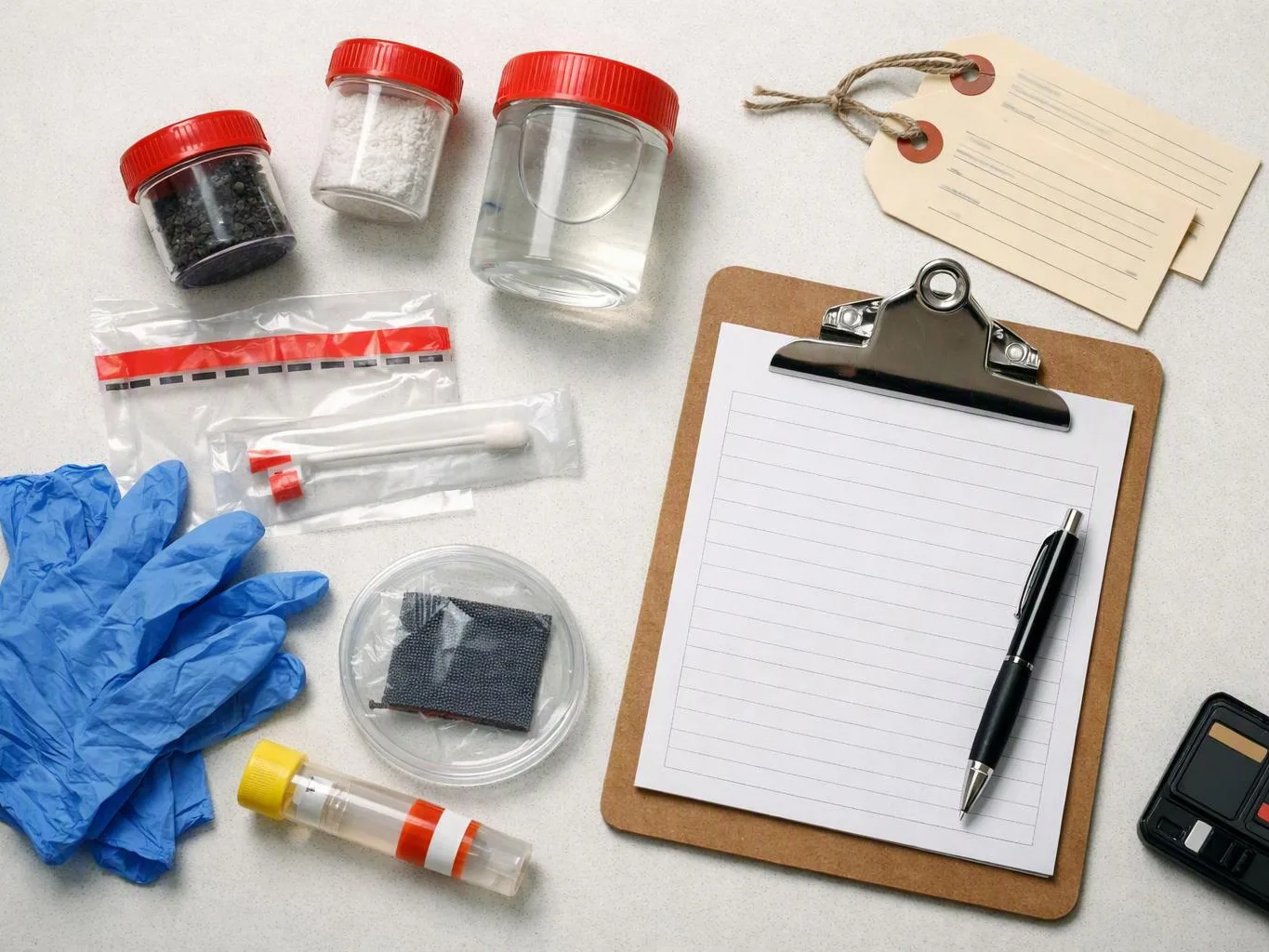
Truck accident evidence should include electronic vehicle data, driver and carrier records, physical evidence, scene documentation, witness information, and relevant video.
The right preservation plan depends on who controls each record and how easily the evidence can change. Our team uses the following checklist to organize the claim investigation.
| Evidence category | Records or items to consider | Why it may matter |
|---|---|---|
| Electronic vehicle data | Event data recorder information, electronic control module data, telematics, and black box information | May help evaluate vehicle operation and crash conditions |
| Driver and carrier records | Electronic logging device records, hours-of-service records, driver qualification file, and dispatch records | May help evaluate driver conduct, fatigue issues, and trip details |
| Vehicle and cargo evidence | Inspection reports, maintenance records, truck and trailer condition, cargo records, and repair documents | May help evaluate defects, loading, repairs, and physical evidence |
| Scene and independent evidence | Crash scene photographs, witness evidence, dashcam footage, traffic camera footage, and surveillance video | May provide independent information about the collision |
How to Protect Truck Accident Evidence After a Collision
You can protect truck accident evidence by documenting what you can safely access, keeping original files, recording witness details, and contacting Atlanta Auto Law to evaluate preservation needs.
When Atlanta Auto Law Should Handle Evidence Preservation
Atlanta Auto Law should handle evidence preservation when the claim involves records or physical evidence that you cannot safely obtain or control yourself.
Our team can issue a preservation notice, evaluate a commercial vehicle inspection, and organize the evidence without asking you to perform unsafe work or alter a vehicle.
How Atlanta Auto Law Builds the Evidence Record
Atlanta Auto Law builds the evidence record by identifying relevant custodians, reviewing available records, assessing vulnerable evidence, and connecting preserved evidence to the truck accident claim.
We begin by mapping the people and businesses that may hold information, including the commercial carrier, truck owner, broker, shipper, and video custodians. We then compare driver records, vehicle evidence, electronic records, witness evidence, and medical documentation.
Our team uses the preservation request and records request to focus the investigation. We look for conflicts between the crash report, electronic data, inspection records, dispatch records, and witness accounts.
The result is a clearer claim record that can support discussions about negligence, liability, causation, and damages.
What Evidence Preservation Can Change in a Truck Accident Claim
Evidence preservation can change how a truck accident claim is evaluated by showing what happened, who may be responsible, and how the collision caused the claimed harm.
Electronic records may support or challenge accounts of vehicle operation. Maintenance records, driver qualification records, and hours-of-service records may affect the analysis of negligence and liability.
Physical evidence, witness evidence, and video evidence may clarify causation and comparative fault. Medical documentation and other claim records help connect the collision to damages.
Preservation does not guarantee a particular result or claim value. It gives the evidence a better chance to remain available for a complete and fair investigation.
Contact Atlanta Auto Law through our contact page to discuss evidence concerns and your truck accident claim.
Questions About Truck Accident Evidence Mistakes
What should I ask for after a truck accident?
Ask about black box data, electronic logging device records, driver records, maintenance records, inspection reports, dispatch records, cargo records, witness evidence, and video evidence. Atlanta Auto Law identifies which items may exist, who controls them, and which records need prompt preservation.
Who keeps the black box data after a truck crash?
The trucking company, motor carrier, truck owner, or another evidence custodian may control black box data after a truck crash. The controlling party can depend on the vehicle, ownership, equipment, and data system involved.
Can a trucking company delete accident records?
Accident records may become unavailable through deletion, routine data overwrite, alteration, disposal, or loss. A preservation notice can identify relevant materials and communicate the need to protect them while the truck accident claim is investigated.
Why are electronic logging device records important in a truck accident claim?
Electronic logging device records are important because they may help show the commercial driver’s operating history, trip details, and hours-of-service compliance. Our team compares those records with dispatch information, driver statements, electronic vehicle data, and the crash facts.
What happens if truck accident evidence is not preserved?
If truck accident evidence is not preserved, important information may become unavailable, disputed, or harder to authenticate. The loss can affect the analysis of liability, negligence, causation, damages, and comparative fault.