Who may be liable for injuries on a construction site?
Subcontractors, general contractors, property owners, equipment manufacturers, and site supervisors may face liability when their conduct caused the injury. Atlanta Auto Law reviews each party’s control, duties, records, and connection to the accident. Workers compensation may also apply, but a third-party claim can involve separate legal issues. Every case is different, so the facts must be assessed together.
How does a claim move from the first call to the last step?
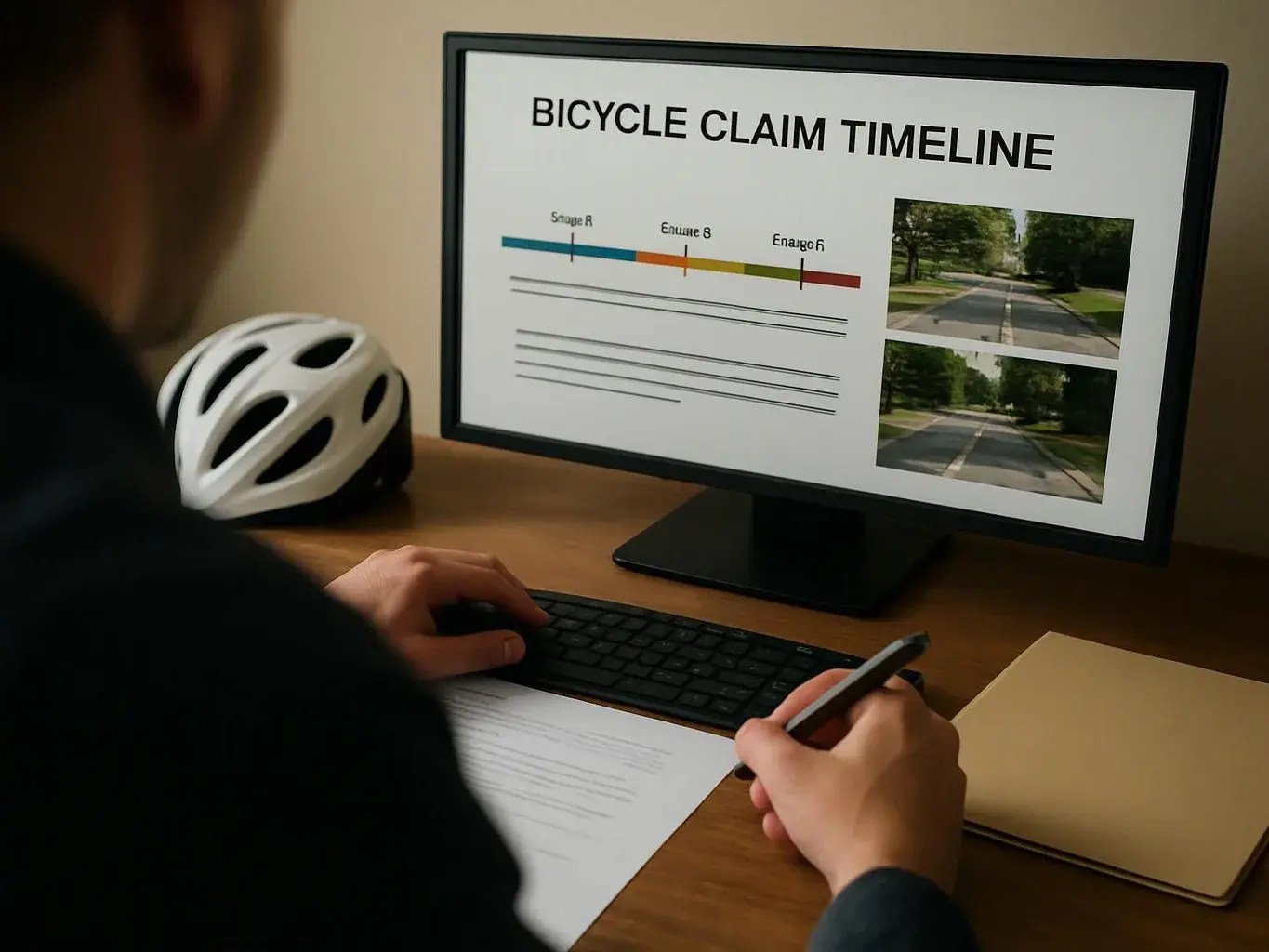
The claim moves from an initial consultation to record review, liability analysis, insurance negotiation, and possible litigation. We first discuss the accident and medical care. Then we gather documents and identify the parties involved. Settlement, mediation, discovery, or trial may follow based on the facts and the insurance position.
What documents should I bring after a construction injury?
Medical records, incident reports, photographs, wage records, and work documents help us assess the claim. Bring messages, names of witnesses, insurance letters, and any notice from an employer or contractor. These records can show what happened, who controlled the task, and how the injury affected daily life.
Which part of the site decides the scope of the claim?
The task, equipment, work area, and control of the work usually shape the claim’s scope. A fall may require different records than an equipment failure or a multi-vehicle site crash. We review the work instructions, site supervision, maintenance information, and medical records that match the injury.
How can I tell whether this service fits my injury?
A construction injury claim fits when an injury connects to construction work and another party may share legal responsibility. The claim may involve a serious injury, disputed liability, defective equipment, or wrongful death. We assess the facts during a free consultation and explain whether a third-party case fits.
Why does workers compensation not always end the legal review?
Workers compensation may address workplace benefits, but it does not always resolve a third-party claim. A separate company, property owner, equipment manufacturer, or supervisor may have caused or contributed to the injury. We compare the workplace claim with the accident facts before advising on possible legal paths.
What happens if an insurer denies responsibility?
An insurer’s denial does not decide liability by itself. We review the denial, incident records, medical evidence, contracts, and witness accounts before addressing the insurer. A disputed claim may require negotiation, mediation, discovery, or trial, depending on the evidence and the parties involved.