How can a pedestrian prove a driver caused the collision?
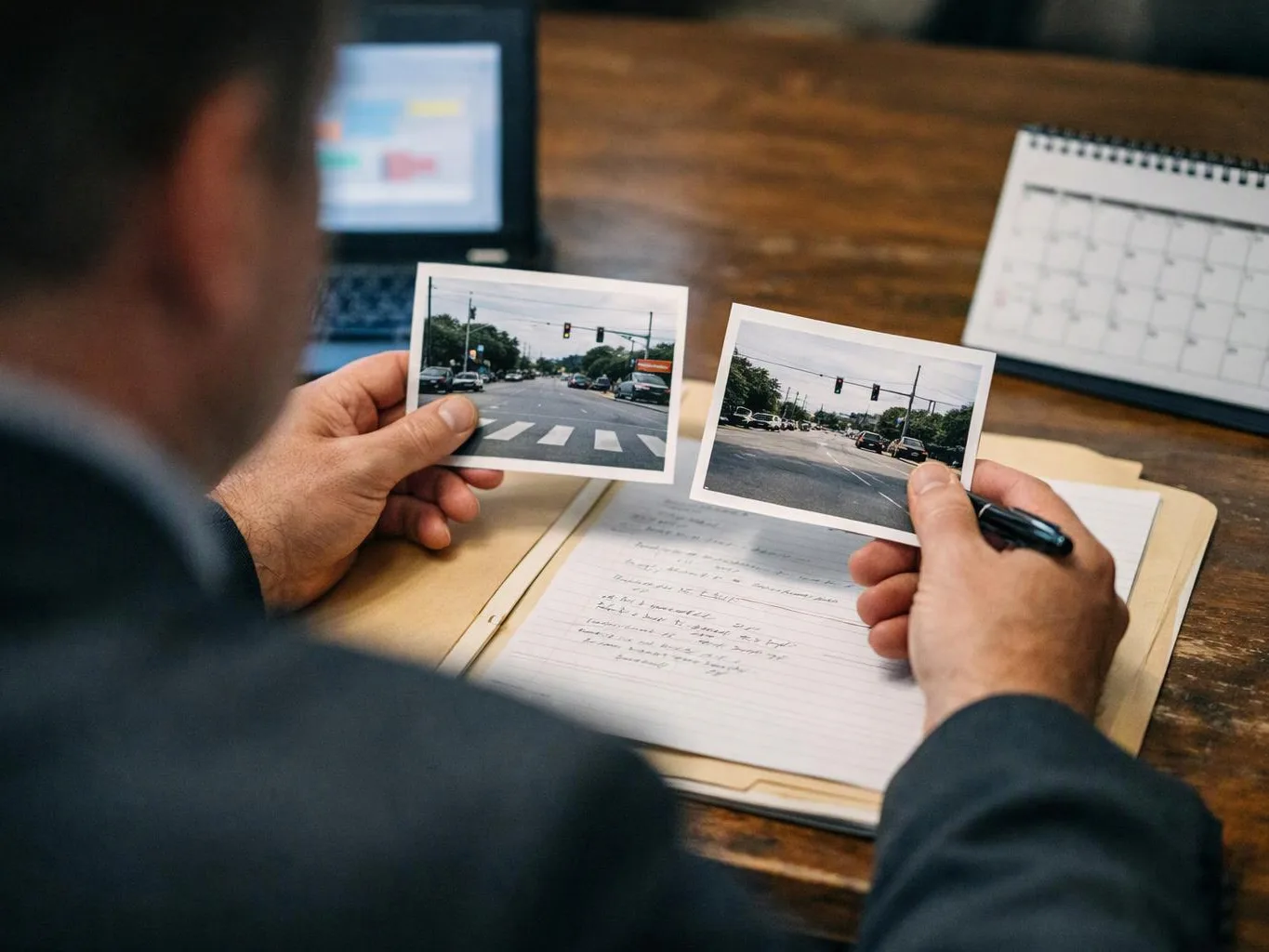
Scene photographs can help prove driver responsibility when they show vehicle positions, signals, lighting, markings, or roadway conditions. Atlanta Auto Law also compares police reports, surveillance footage, driver statements, witness accounts, and medical records. No single item decides every claim, so the evidence must support one consistent account of how the collision happened.
What should I ask before agreeing to representation?
The fee agreement, case plan, communication process, and likely evidence needs deserve direct answers before representation begins. Ask how the firm will handle medical records, insurer contact, disputed liability, settlement distribution, and case costs. Atlanta Auto Law provides personal attention and regular updates while the claim moves through investigation and negotiation.
Which condition can change the time needed to build the claim?
Missing evidence can lengthen claim preparation because fault still needs support. Lost surveillance footage, unclear signal timing, disputed driver identity, incomplete medical records, and uncertain wage loss each create added work. We identify those gaps during intake and explain which records or witness details could address them.
When should I preserve evidence after a pedestrian collision?
Evidence should be preserved as soon as possible after the collision. Keep photographs, clothing, medical papers, insurer messages, witness details, and the police report together. Surveillance footage may not remain available, so tell the legal team where cameras or nearby vehicles may have recorded the event.
Why do medical records matter in a pedestrian claim?
Medical records connect the collision to diagnoses, treatment, work limits, and future care concerns. They also help separate injuries caused by the event from earlier conditions. We review those records with wage information and bills so the claim reflects documented losses, not only the first emergency visit.
What information does a lawyer need for a hit-and-run pedestrian claim?
A hit-and-run review needs every available detail about the vehicle, driver, location, time, witnesses, video, police report, and insurance coverage. Uninsured-motorist coverage may become important when the driver is not identified. Share photographs, medical records, and insurer communications even if the vehicle description remains incomplete.
How are pedestrian claims different from car accident claims?
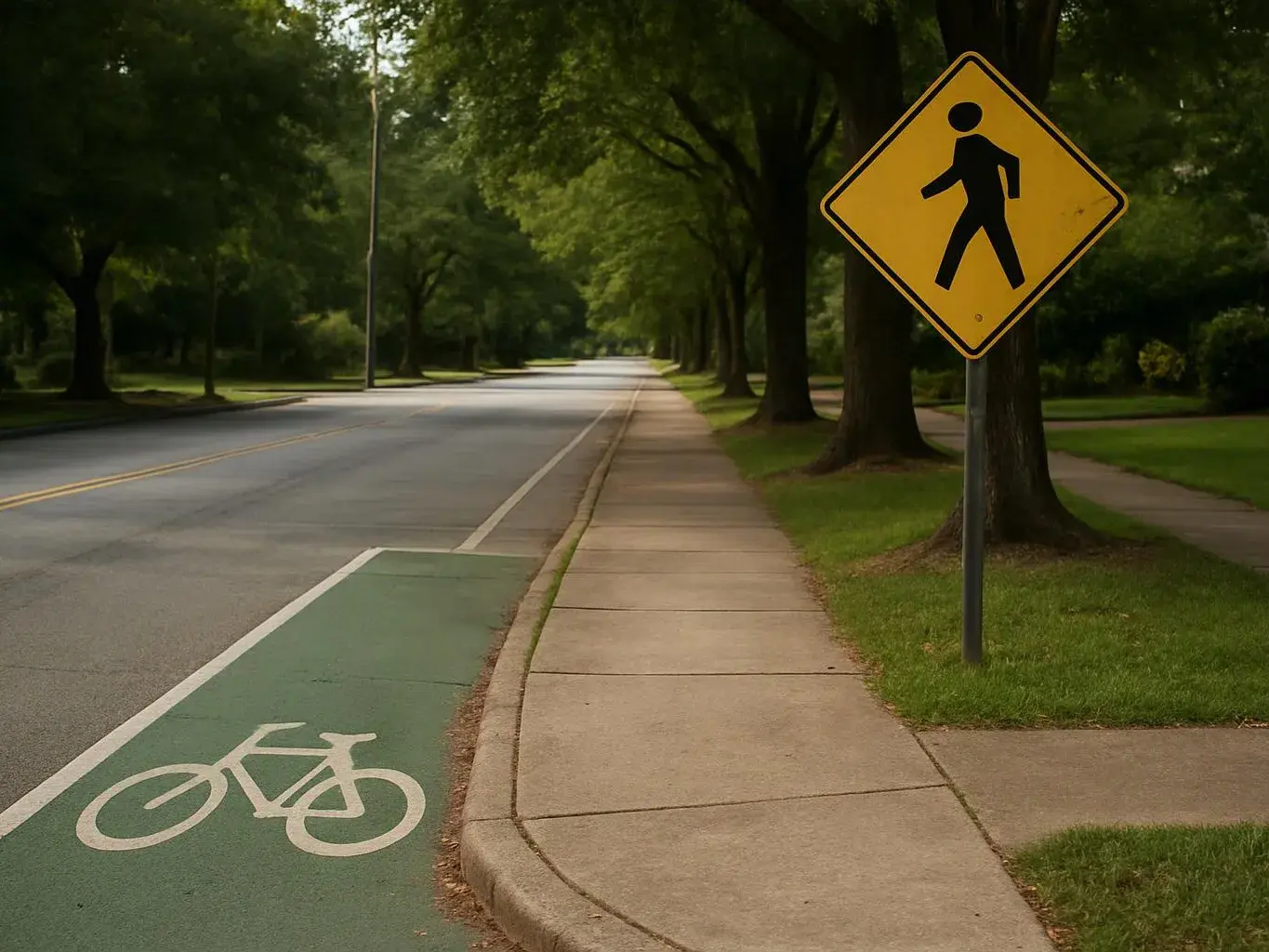
Pedestrian claims place greater focus on visibility, crossing paths, signals, and the driver's opportunity to see the person. Car accident claims often rely more heavily on vehicle movement and impact evidence. Both types can involve medical expenses, lost wages, insurance negotiation, disputed liability, mediation, or trial.