How do rideshare insurance policies affect an accident claim?
Coverage denial often turns on the driver’s app status and the policy period at the crash. Atlanta Auto Law reviews the personal policy, rideshare policy, trip record, and insurer position. We then assess which carrier may be primary and how policy limits affect the injury claim. The coverage review guides negotiation, mediation, or further action.
What information does a lawyer need for a rideshare injury claim?
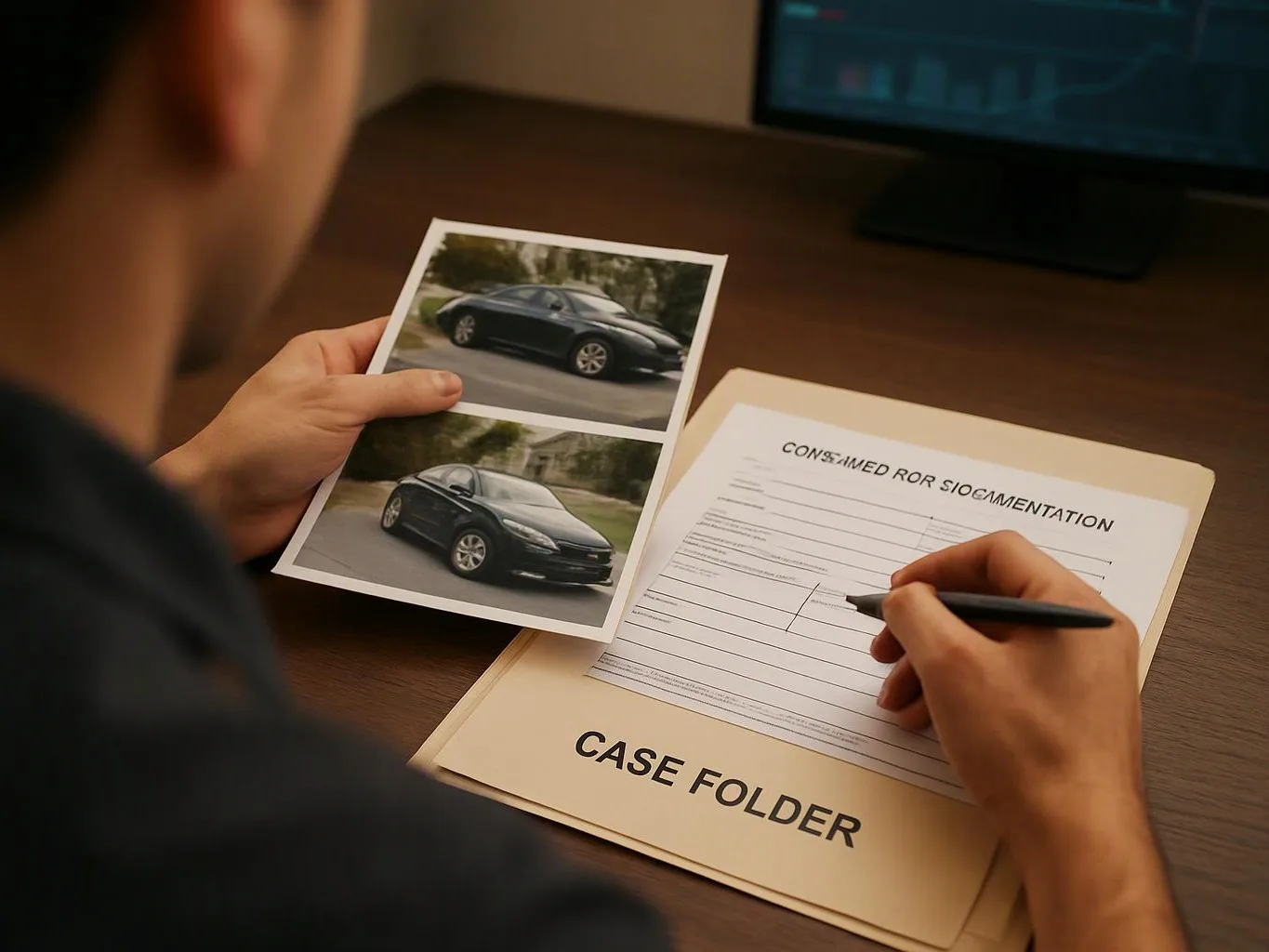
Crash details, app status, insurer letters, medical records, and wage records help start the claim review. Please bring the police report, trip receipt, driver information, photographs, treatment bills, and claim messages when available. We use those records to compare the coverage position with the reported facts.
Which part of the claim decides the available insurance?
The driver’s app and trip status often decide which coverage period applies. Our team checks whether the driver was offline, available for a ride, traveling to a pickup, or carrying a passenger. That distinction can change the primary insurer and the policy limits discussed in the claim.
When should I seek help after a rideshare crash?
A consultation makes sense when an insurer denies coverage, requests a recorded statement, or disputes the injury claim. Early records can include the police report, app information, medical care, and insurer correspondence. People in Roswell can discuss the crash with our Metro Atlanta accident law team before responding to a disputed coverage position.
Why can a rideshare claim involve more than one insurer?
A rideshare crash can involve the driver’s personal insurer, the rideshare carrier, and another driver’s insurer. Each carrier may take a different position on liability or coverage. We separate those positions, identify the relevant records, and pursue the claim against the insurer connected to the applicable policy.
How does the claim move from the first call to resolution?
The claim moves from intake and record review to coverage analysis, injury documentation, insurer negotiation, and a resolution decision. We first gather crash and policy facts. We then explain whether negotiation, mediation, or trial fits the case. Settlement distribution follows any agreed resolution and required case accounting.
What makes a coverage denial worth reviewing?
A denial deserves review when the insurer relies on disputed app status, trip timing, policy language, or missing records. We compare the denial letter with the police report, trip data, policy documents, and medical evidence. The review does not promise a result, but it identifies the issue that controls the next claim step.