Skip to content

Toxic Exposure Claims in North Decatur, Georgia

We help injured people and families pursue toxic exposure claims tied to harmful substances and serious health problems. Our team gives North Decatur clients personal attention through each legal step.

Upfront, Transparent PricingServing 52 CommunitiesMon-Sun: Open 24 hoursFast Scheduling
Toxic exposure claims help injured people in North Decatur seek compensation after harmful chemical contact. Atlanta Auto Law reviews the exposure, medical records, work history, and losses tied to the claim. A strong case needs more than a diagnosis. We gather records, assess the source of exposure, and address insurance negotiations, medical expenses, lost wages, and pain and suffering.

What a toxic exposure claim can address for you

A documented link between the harmful substance and your health condition.

A focused record of medical expenses, lost wages, and other losses.

A managed response to denied claims, insurer questions, and disputed liability.

A wrongful death claim review when exposure contributed to a family member's death.

What Toxic Exposure Claims Covers

Toxic exposure claims are injury claims that seek compensation for harm linked to contact with a harmful substance.
  • Toxic exposure claims differ from ordinary accident claims because they require evidence connecting a substance, exposure path, health condition, and resulting losses.
  • North Decatur clients receive the same Metro Atlanta claim review and legal representation that we provide across the surrounding Georgia communities.
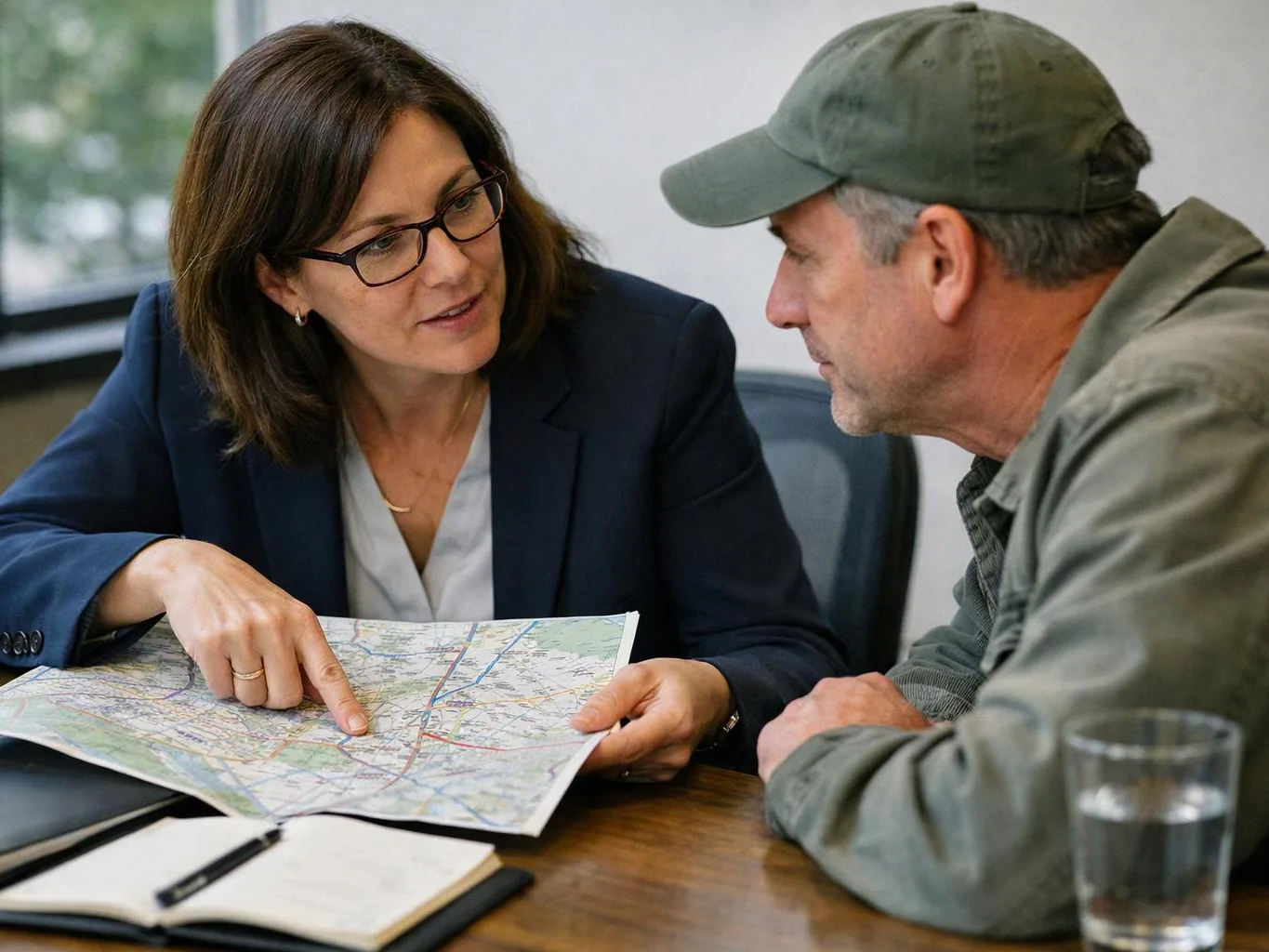
A woman points at a paper map while talking to a man across a table in an office
About

How toxic exposure claims connect illness to legal responsibility

Toxic exposure claims focus on the link between a harmful substance and a person's injury or illness. The work can involve chemical contact, contaminated air or water, workplace records, medical treatment, and lost income. Our team starts with intake and document review. We look at medical records, exposure details, witness information, employer records, and insurance correspondence. The goal is to build a clear record of what happened and how it affected you. Proof can be difficult when symptoms develop later or several causes are possible. We separate the exposure question from the injury question, then assess how both affect damages such as medical expenses, lost wages, and pain and suffering. The most useful first decision is whether key records still exist. Preserve notices, safety documents, treatment records, photographs, and messages that describe the exposure. Do not discard items tied to the event or make detailed statements to an insurer before legal guidance.

Process

How we build a toxic exposure claim

1

Start with a case consultation

We provide an initial case consultation before engagement. You can describe the substance, exposure setting, symptoms, treatment, and losses.

2

Collect exposure and health records

We gather medical records, work documents, notices, photographs, messages, and insurance letters. Each item helps test the exposure timeline.

3

Assess causation and responsibility

We compare the exposure path with the diagnosis and available evidence. We also assess disputed liability and the parties connected to the harmful condition.

4

Prepare the demand and claim file

We organize the evidence, losses, and legal position for insurance negotiation or further case action. You receive a clear account of the claim's support.

5

Manage negotiation or litigation steps

We address insurer responses, discovery, mediation, trial preparation, and settlement distribution when those steps fit the case.

What to gather before discussing exposure harm

Bring every record that helps show what you encountered, when it happened, and how your health changed.

  • Medical records and bills: Gather diagnoses, treatment notes, prescriptions, bills, and statements about possible causes.
  • Exposure details: Write down the substance, location, work task, contact method, and dates you remember.
  • Work and income records: Collect pay records, missed-work details, job information, and any employer notices about the exposure.
  • Insurance correspondence: Save claim forms, denial letters, recorded-statement requests, and messages from insurers.
  • Family loss records: For a death claim, gather funeral records, medical documents, income records, and family relationship information.

The Atlanta Auto Law Standard

Initial Consultation

We review the substance, exposure setting, health condition, and losses during an initial case consultation before engagement.

Claim Management

We investigate exposure records, organize medical proof, and manage claim tasks while clients focus on recovery.

Personalized Attention

We give each client personal attention while reviewing causation, disputed liability, medical expenses, and family losses.

Questions about toxic exposure claims and proof

How do I prove that chemical exposure caused my illness?

Chemical exposure causation requires records linking the substance, exposure path, diagnosis, and losses. Medical records can show the condition and treatment history. Work documents, notices, witness accounts, and messages can help establish contact. We compare these materials and identify gaps before presenting the claim.

What compensation may a toxic exposure claim cover?

Compensation may address medical expenses, lost wages, pain and suffering, and other proven losses. The available recovery depends on the evidence, responsibility, injury, and claim type. We document each loss and include supporting records in the claim file.

What does Atlanta Auto Law do in a toxic exposure claim?

Atlanta Auto Law investigates exposure evidence, reviews medical records, manages claim tasks, and addresses insurance negotiations. Our team also handles disputed liability and wrongful death claims when the facts support them. Clients receive personal attention and case updates throughout the matter.

What should I do after an insurer denies an exposure claim?

A denied exposure claim needs review of the denial reason and the supporting evidence. Save the denial letter, claim forms, medical records, and insurer messages. We assess whether the file needs stronger exposure proof, medical support, loss records, or a response to disputed liability.

How do toxic exposure claims differ from car accident claims?

Toxic exposure claims require proof that a substance caused or contributed to an injury or illness. Car accident claims focus on a collision, fault, crash evidence, and resulting injuries. Both can involve medical bills, lost wages, insurance negotiation, and pain and suffering.

What records should a family gather for a death claim?

A family should gather medical records, exposure information, death records, income documents, and funeral expenses. These materials help connect the exposure to the death and document financial losses. We review the records and explain how wrongful death claims may apply.
Contact

Schedule a Consultation About Toxic Exposure Claims in North Decatur

We provide an initial case consultation to review your exposure, medical records, and losses, and urgent requests get priority scheduling.

Scenarios

When Customers Call Us About Toxic Exposure Claims

1

Illness After Workplace Chemical Contact

A worker in North Decatur develops ongoing symptoms after repeated contact with a chemical at work. The key issues include the substance, exposure path, medical diagnosis, and records showing missed income. Save treatment notes, workplace notices, and insurer letters before discussing the claim. We can review those materials during an initial case consultation and identify the records that need follow-up.

2

Disputed Cause Of A Diagnosis

A person receives a serious diagnosis, but an insurer disputes whether exposure caused the condition. Medical history, exposure timing, treatment records, and other possible causes all matter. Gather every relevant medical record and write down where contact occurred. Our team can compare those details, assess the evidence, and address the denied claim.

3

Family Considering A Death Claim

A family believes harmful exposure contributed to a loved one's death. The case may require medical records, exposure evidence, income information, and documents showing the family's losses. Preserve these records and avoid deleting messages or notices tied to the event. Atlanta Auto Law can review the facts and explain how a wrongful death claim may fit.

Our Other Services

Car Accident ClaimsCar crashes can leave you facing hospital bills, repair estimates, and disputed fault. We review police reports, insurance statements, and medical records to pursue compensation for treatment, lost wages, and pain.
Truck Accident ClaimsA truck collision often involves severe injuries and several insurance companies. Our team examines driver logs, cargo records, black box data, and federal trucking rules to build your injury claim.
Motorcycle Accident ClaimsMotorcycle riders can suffer fractures, road rash, and lasting mobility problems after a crash. We challenge unfair blame by reviewing helmet evidence, vehicle damage, witness accounts, and roadway conditions.
Rideshare Accident ClaimsUber and Lyft crashes can involve passengers, drivers, and multiple insurers at once. We sort through app records, trip details, coverage policies, and medical evidence to identify who should pay.
Pedestrian Accident ClaimsA vehicle strike can cause broken bones, head trauma, and months away from work. We use crosswalk evidence, traffic-camera footage, driver statements, and medical records to pursue rightful compensation.
Bicycle Accident ClaimsBicycle crashes often leave riders with fractures, dental injuries, or damaged equipment. We investigate bike-lane conditions, vehicle mirrors, witness statements, and insurance coverage while pursuing payment for your losses.

The information on this website is for general informational purposes only and is not legal advice, does not create an attorney-client relationship, and may not reflect current law in North Decatur, Georgia, United States. Every situation is different; consult a licensed attorney about your specific matter. Prior results do not guarantee a similar outcome.

(678) 235-3870