What mistakes could weaken my brain injury claim?
Social media posts, delayed treatment, missing records, and inconsistent statements can weaken a brain injury claim. We compare those issues with medical records, crash facts, and reported limits. Do not delete posts or alter records. Keep copies of messages, bills, and work documents, then discuss the evidence before responding to an insurer.
How does a brain injury claim move from the first call to the last step?
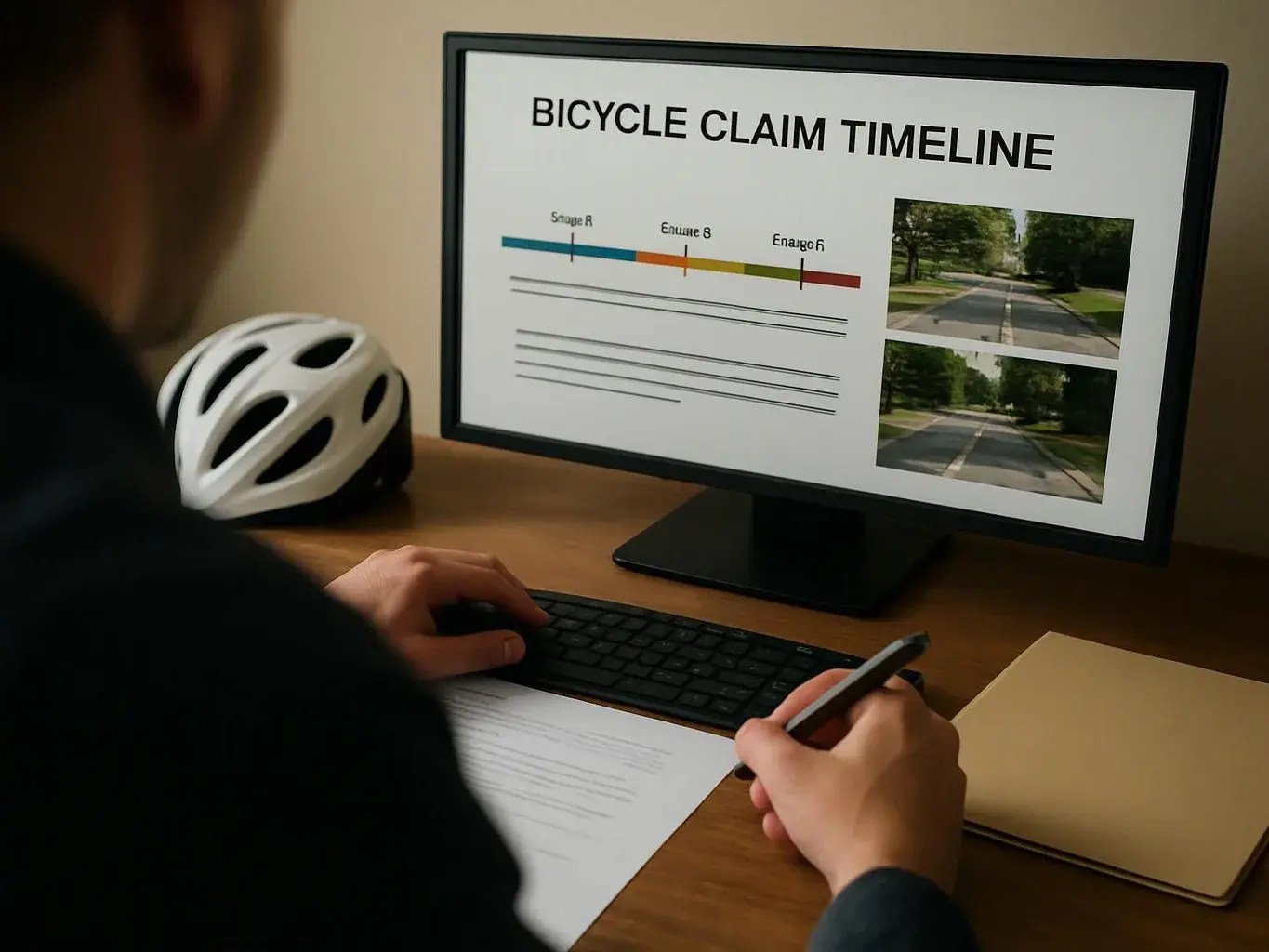
The claim moves from an intake discussion to evidence review, insurance negotiation, and possible mediation or trial. We first examine the crash and symptoms. Then we gather records, assess fault, and identify losses. The available evidence and the insurer’s position guide the next legal step.
Which records matter most after a head injury?
Medical records matter most because they document symptoms, diagnoses, treatment, and changes over time. Emergency records, follow-up notes, therapy records, bills, and work documents can each support a different part of the claim. We also review police records and insurance communications when they affect fault or coverage.
When should someone seek legal advice after a crash?
A person should seek legal advice when symptoms, treatment needs, lost work, or fault are disputed. Early review helps preserve records and address statements made to insurers. Medical care remains the first priority. Keep every document and avoid discussing the claim on social media while the evidence is reviewed.
Why do inconsistent statements create problems?
Inconsistent statements can make an insurer question whether the crash caused the reported symptoms. Differences about pain, memory, activity, or treatment can matter during negotiations. We compare statements with medical notes and other records. Tell the facts accurately, correct mistakes promptly, and do not guess when you are unsure.
How can a customer tell whether this service fits the injury?
This service fits when a crash caused suspected brain injury symptoms or related losses. Headaches, dizziness, memory trouble, sleep changes, and focus problems can need focused review. We assess the accident link, medical evidence, and financial impact. A vehicle-damage-only claim does not fit this service.
What does a free consultation cover for a brain injury claim?
A free consultation covers the crash, symptoms, records, insurance contact, and the losses connected to the injury. Atlanta Auto Law uses the discussion to explain possible next steps in plain language. Bring medical documents, police information, insurance letters, and work records when available.