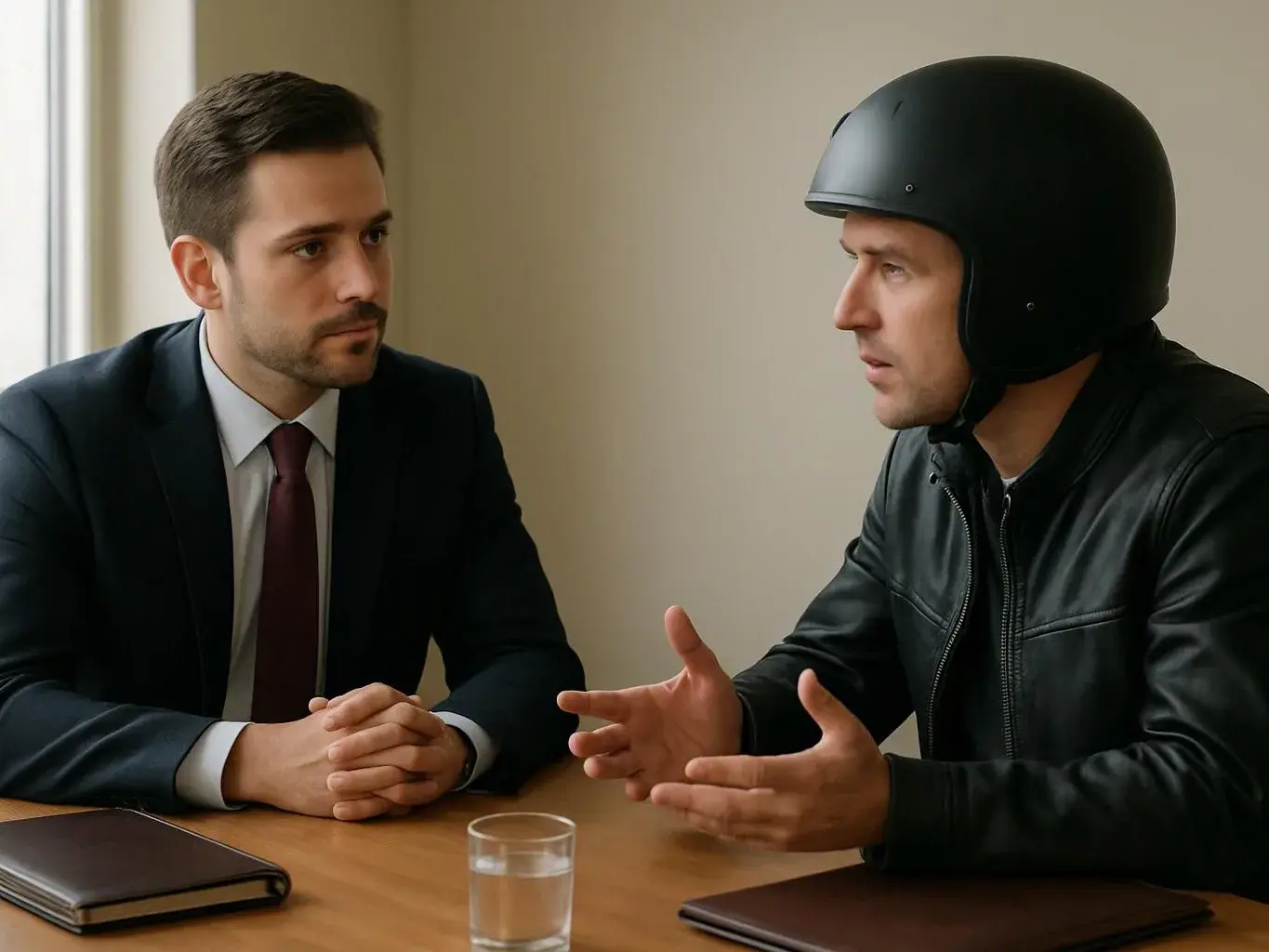
What compensation may cover long-term brain injury effects?
Rehabilitation costs, future treatment, care needs, lost earnings, pain and suffering, and medical expenses may support compensation. We review medical records, work evidence, and family reports to assess lasting effects. The claim must connect those losses to the crash and the responsible party. Every case is different, so the available recovery depends on its evidence and legal facts.
How does a brain injury claim move from the first call to the last step?
Atlanta Auto Law starts with an intake review and then gathers records, assesses losses, handles insurer discussions, and prepares resolution options. The process can include a demand letter, negotiation, discovery, mediation, or trial. We explain each stage as the case develops. Clients receive personal attention and regular updates about the work.
Which records should I bring after a serious crash?
Medical records, the police report, insurance details, wage information, photographs, and witness contacts give the initial review useful facts. Bring discharge papers, treatment notes, bills, and work restrictions when available. We can identify other records during the intake. A missing document does not prevent the first discussion about the claim.
Why can a brain injury affect a settlement review?
A brain injury can affect work, memory, focus, movement, and daily care, so current bills may not show the full loss. We examine treatment records, wage evidence, family observations, and future care concerns. That review helps frame the claim around the injury’s actual effects. Medical proof remains central to the assessment.
When should I discuss a head injury after a vehicle crash?
A person should discuss a head injury promptly when symptoms, treatment, work limits, or care needs follow a crash. Early records can preserve the sequence of events and the medical response. We review the available evidence and explain possible next steps. Clients should follow medical advice and keep records of symptoms and treatment.
What does a personal injury attorney handle in a rideshare or truck crash?
A personal injury attorney can review liability, insurance coverage, medical evidence, lost earnings, and settlement issues in rideshare and truck crashes. Our team also examines multiple vehicles, disputed fault, and uninsured-motorist questions. The available insurance and crash facts shape the claim. We explain which records and parties matter during the case review.
Which part of the claim changes the legal fee arrangement?
The written contingency fee agreement controls the legal fee arrangement, while the claim’s facts shape the work required. We discuss liability, medical records, insurance coverage, future treatment, and dispute level during the consultation. Free consultations are available. There are no fees unless the case is won, as stated by the firm.