What to Do After an Accident: A Practical Guide to Protecting Your Health and Claim
What to do after an accident personal injury includes getting safe medical care, documenting the scene, preserving records, and limiting insurance statements. Atlanta Auto Law reviews the circumstances, explains your options, and offers Free Consultations.
Written by Ronnie Mabra
Request an Estimate
Author: Ronnie Mabra
An accident victim follows protective steps to preserve health and a personal injury claim through medical care, evidence, insurance communication, and legal evaluation.
What Should You Do Immediately After an Accident?
Immediate accident steps are to reach safety, request emergency help when needed, report the incident, exchange information, and avoid statements that speculate about fault.
Your first decisions at the accident scene can affect both your health and the information available for a later claim. Stay calm, focus on safety, and preserve facts without trying to decide liability at the scene.
How Can Medical Care Protect Your Health and Claim?
Medical care protects your health and claim by identifying injuries, documenting symptoms, and creating a record of recommended treatment.
Seek medical attention after an accident even when you feel fine, because some injury symptoms can appear later or become clearer with time. A medical evaluation gives you a chance to describe what you feel and allows medical staff to assess possible injuries.
Follow medical advice and keep appointments unless the treating office changes the plan. Medical records can connect your symptoms to the accident, show the care recommended, and document your progress.
Tell the medical team about pain, limited movement, dizziness, numbness, sleep problems, or other changes. Accurate injury documentation helps protect your health and supports a careful claim review.
What Information Should You Collect at the Accident Scene?
Accident scene information should show what happened, where it happened, who was present, and what was damaged. Collect only what you can safely obtain, and do not interfere with emergency work or traffic control.
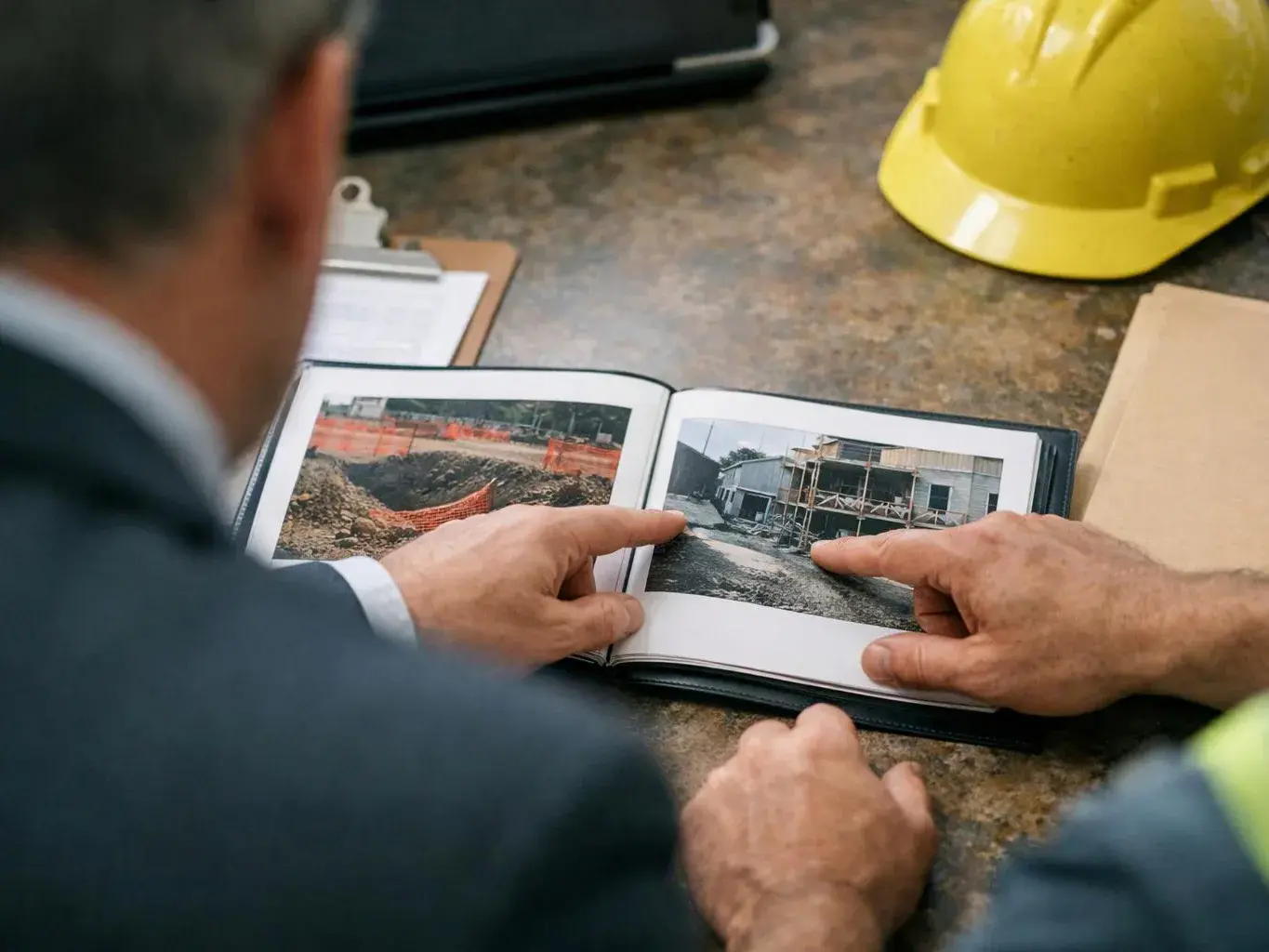
Photographs and video can preserve details that may change after vehicles move or conditions are repaired. Our team can also review other evidence when scene documentation is limited.
How Should You Handle Insurance After an Accident?
Insurance communication should stay factual and limited to what you know, while Atlanta Auto Law reviews requests for statements, documents, or settlement decisions with you.
You can report the accident to your insurance company and provide basic facts about when and where it occurred. Avoid guessing about speed, distance, fault, or the full extent of your injuries.
A claims adjuster may ask for a recorded statement, medical information, repair details, or a description of your losses. We help you understand what a request means before you respond, especially when the request concerns medical expenses, property damage, or liability.
Do not treat a settlement offer as a final answer about the value of your personal injury claim. A settlement may affect future medical expenses, lost income, property damage, and other damages, so we review the available evidence before discussing legal options.
For guidance focused on vehicle-related injuries, our Car Accident Claims service explains how we evaluate the facts and insurance coverage.
What Records Should You Keep After an Accident?
Accident records should show your treatment, financial losses, property damage, and communication with insurers. Keep copies in a secure place and organize new documents as they arrive.
Complete records help us compare the accident report, medical records, financial losses, and insurance correspondence. They also help identify gaps that may need follow-up.
When Should You Speak With Atlanta Auto Law About a Claim?
You should speak with Atlanta Auto Law when an accident causes injury, treatment needs, income loss, disputed fault, or insurance pressure; our team evaluates the facts and explains available next steps.
We review car accident claims involving vehicle crashes, pedestrian incidents, and other roadway injuries. We also review slip and fall claims, workplace injury claims, and other personal injury matters when liability and damages require careful evaluation.
Early legal evaluation can help preserve evidence, organize medical records, and identify the insurance coverage that may apply. It can also help you understand how fault, treatment, lost income, property damage, and other damages may affect the claim.
Our Free Consultations give you a way to discuss the accident, your injury symptoms, and the documents already available.
How We Review the Facts of an Accident Claim
Our accident investigation reviews causation, negligence, evidence, insurance coverage, and damages as connected parts of the claim.
We begin by organizing the accident report, witness information, photographs, video, medical records, and insurance correspondence. This evidence review helps us compare different accounts and identify facts that support or challenge liability.
We then examine causation by connecting the event to the reported injuries and treatment. We consider whether the medical records, symptoms, and treatment history support that connection.
Negligence analysis focuses on what each involved person or business did, what safety duty may apply, and whether that conduct contributed to the accident. In a premises matter, we may review the condition that caused a slip and fall and the notice of that condition.
Finally, we assess insurance coverage and damages. Our claim evaluation considers medical care, lost income, property damage, ongoing needs, and the effect of the injury on daily life.
What Mistakes Can We Help You Avoid After an Accident?
We help you avoid decisions that can weaken injury documentation, confuse the facts, or limit your options during an insurance claim. Small gaps can make it harder to explain how the accident affected your health and finances.
Our team uses the available records and communications to identify problems early. We then explain practical steps for preserving evidence and presenting a consistent account.
Questions About What to Do After an Accident
Should I see a doctor after an accident if I feel fine?
Yes, medical evaluation is appropriate after an accident even when you feel fine because some injury symptoms may appear later. Atlanta Auto Law recommends describing the accident accurately to medical staff, following medical advice, and keeping the resulting medical records.
What if I did not collect evidence at the accident scene?
You can still preserve other evidence after an accident scene has changed. Gather medical records, the police report, insurance correspondence, repair records, witness information, photographs taken later, and notes about what you remember.
Can I speak to the other driver's insurance company after an accident?
Yes, you can report basic facts, but keep your communication factual and avoid guessing about fault or the full extent of your injuries. Ask Atlanta Auto Law to review requests for a recorded statement, medical documents, or a settlement decision before you respond.
What should I do if the insurance company asks me to sign a release?
Do not sign an insurance release until you understand what claims, medical records, expenses, and future damages it may affect. We review the release language and explain the legal options connected to the proposed settlement.
Contact Atlanta Auto Law for a Free Consultation about your accident, injury symptoms, evidence, and insurance communications.