When can broken locks support a negligent security claim?
Broken locks support a negligent security claim when the condition connects to the injury and the facts show a security failure. The review may include the lock's condition, incident records, property control, and medical treatment. Every case is different, so the available records and the injury's connection guide the legal assessment.
How does a claim move from the first call to the last step?
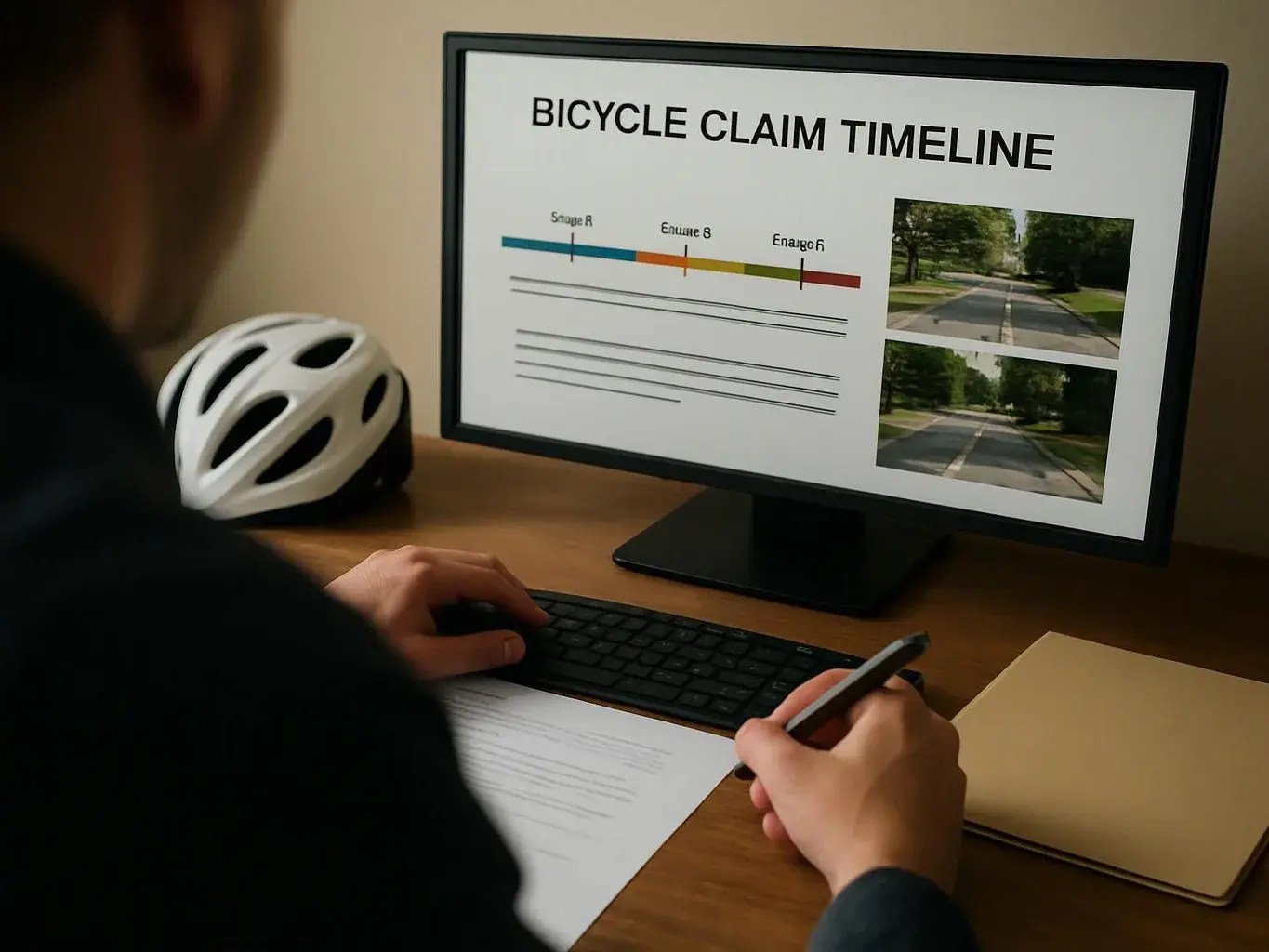
The claim moves from an initial consultation to record review, liability analysis, insurance negotiation, and possible litigation. We begin with the incident and medical records. If the insurer disputes the claim, the matter may involve a demand letter, discovery, mediation, or trial.
Which condition changes the legal review most?
The condition most likely to change the review is the one that connects the property to the injury. A missing camera, poor lighting, untrained guard, or security breach may require different records. We focus on the condition, who controlled it, and how it relates to the event.
How can a customer tell whether this service fits the property?
A negligent security claim fits when a property security failure may have contributed to an injury. Premises liability records, incident reports, photographs, and medical records help test that connection. The service may not fit when the injury has no meaningful link to the property's security.
What documents should I bring to a consultation?
Incident reports, medical records, photographs, witness information, and insurer messages are useful starting documents. Atlanta Auto Law reviews those materials with the facts you provide. Bring documents about the property condition too, including notices or messages about a broken lock, lighting, cameras, or access.
Why does a security breach matter in these claims?
A security breach matters because it may show how unsafe access affected the incident. We examine access records, incident details, property control, and the injury's medical documentation. The breach alone does not decide liability, because the facts must connect it to the harm.
What does a personal injury attorney do after an insurer disputes liability?
Atlanta Auto Law reviews the insurer's position, gathers supporting records, and addresses disputed liability through negotiation or litigation. Our team explains the evidence needed for the response. The next step may involve a demand letter, mediation, discovery, or trial, based on the claim.