Rideshare Accident Claim Mistakes: Trip Records and Insurance Calls
Rideshare accident claim mistakes often involve losing trip records, giving an unprepared recorded statement, accepting a quick settlement, or overlooking coverage issues; Atlanta Auto Law helps preserve evidence, review insurance communications, and build the injury claim.
Written by Ronnie Mabra
Request an Estimate
Why Trip Records and Insurance Calls Matter
Rideshare trip records and insurance calls can affect how the crash, trip status, available coverage, and injuries are evaluated. Atlanta Auto Law reviews these details as part of a careful personal injury claim.
Uber and Lyft records may show whether a driver was waiting for a request, traveling to a pickup, or carrying a passenger. That driver status can affect the coverage investigation, so the app history matters alongside the crash report and other evidence.
An insurance adjuster may use statements, records, and medical information to assess fault and damages. We preserve relevant information before responding to requests that could shape the claim.
The Rideshare Accident Claim Mistakes That Cause Problems
A rideshare accident claim error can weaken evidence, create confusion about coverage, or limit the injury claim. These mistakes often happen when a person tries to handle an insurance claim before understanding the records and questions involved.
Our team focuses on evidence preservation and clear claim documentation. We identify what happened, what information exists, and which response protects the claim.
Mistake 1: Failing to Save the Rideshare Trip Details
Failing to save the Uber trip record or Lyft trip record can remove useful proof of the ride. The ride receipt may show the pickup and drop-off details, route information, and driver status.
This mistake happens when a passenger assumes the app will always retain easy access to the trip. The cost is a weaker record of the trip and a harder coverage investigation.
Save the trip history, receipt, driver information, and app communications. We compare those records with the crash facts and insurance correspondence.
Mistake 2: Deleting Messages, Photos, or Crash Evidence
Deleting text messages, app messages, crash photographs, or video evidence can remove important digital evidence. These materials may help explain what happened and how the vehicles, roadway, and people appeared after the collision.
People may delete information while clearing phone storage or trying to reduce stress. The cost is a gap in the evidence preservation process that may be difficult to repair.
Keep original files and preserve related messages without editing them. We organize crash evidence and identify other records that may support the claim.
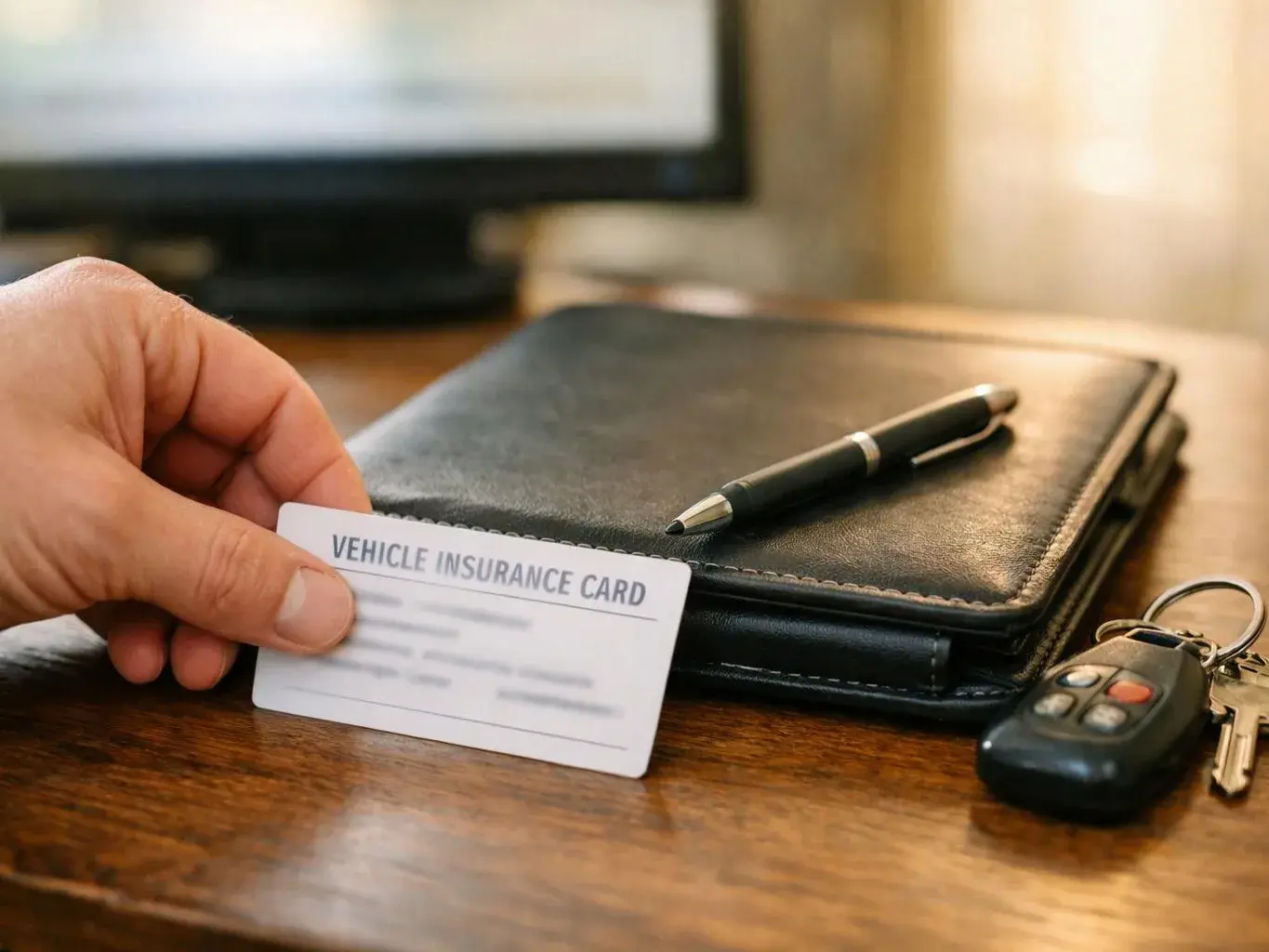
Mistake 3: Giving a Recorded Statement Before Preparing
You should not give a recorded statement to a rideshare insurer before understanding the questions and how your answers may be used.
A recorded statement may focus on the accident, prior conditions, or injury symptoms. An unprepared answer can create confusion or appear inconsistent with later medical records.
Confirm the caller’s identity and the claim number, then pause before agreeing to a recorded claim interview. We review the circumstances and help with statement preparation before an insurance adjuster receives a response.
Mistake 4: Guessing About Fault, Speed, or Injury Details
Guessing about fault, speed, distance, or medical symptoms can turn an uncertain memory into a harmful fault statement. Crash facts should come from what you personally saw, heard, or experienced.
This mistake often occurs during a stressful call or early conversation about the collision. The cost may include a disputed fault determination or questions about the seriousness of the injury claim.
Use accurate language and say when you do not know an answer. We compare available evidence with medical documentation before addressing disputed facts or comparative fault.
Mistake 5: Assuming the Rideshare App Determines All Available Coverage
The rideshare app does not by itself determine every available source of coverage. A coverage investigation may involve the rideshare insurance policy, personal auto insurance, commercial coverage, and the driver status at the time of the crash.
This mistake happens when a person relies on an app screen without reviewing policy information or the trip phase. The cost is a coverage position based on incomplete facts.
Preserve the app records and all insurance letters. We examine policy information, driver status, and the claim investigation before responding to a coverage decision.
Mistake 6: Accepting a Quick Settlement Before Treatment Is Clear
You should not accept a rideshare accident settlement before understanding the full effect of the release and whether your injury-related losses are known.
A settlement offer may include a release agreement that affects future claims. Accepting too early can leave medical treatment, future medical needs, lost income, or other injury damages unresolved.
Keep the offer and every attached document together. We review the settlement terms, medical treatment, and available evidence before discussing a settlement decision.
Mistake 7: Treating the First Insurance Response as the Final Answer
A first claim denial or coverage position is not always the final answer to a rideshare insurance claim. The insurance investigation may not include every trip record, crash photograph, witness detail, or medical document.
This mistake happens when a person assumes the insurer’s first response cannot be questioned. The cost is losing the chance to correct an incomplete record.
Save the denial, explanation, and request for information. We match the insurer’s position against supporting evidence and develop the next claim response.
Mistake 8: Delaying Medical Care or Losing Treatment Records
A medical evaluation creates an early record of symptoms and helps connect the condition to the crash. A missing treatment record can make causation and injury documentation harder to explain.
People may delay care because symptoms seem manageable or because they are focused on the insurance call. The cost can include an incomplete medical history and difficulty documenting medical bills or future treatment needs.
Seek appropriate medical evaluation and keep treatment records, bills, instructions, and appointment information. We organize medical documentation and compare it with the crash evidence.
Mistake 9: Posting About the Crash or Claim Online
A social media post can become an insurance claim statement that raises questions about the crash, privacy, or injury symptoms. Photos, comments, and location details may be viewed outside their original context.
This mistake happens when a person posts to explain the event or seek support. The cost is added scrutiny and possible conflict with other claim evidence.
Preserve relevant communications privately and avoid discussing the claim online. We consider online material as part of the broader evidence preservation review.
A Safer Way to Preserve Your Rideshare Claim
A safer claim process begins with organized records and careful communication. The following steps help protect the information we need to review the accident and injury claim.
We use these records to assess coverage, fault, injuries, and settlement decisions. Learn more about our Rideshare Accident Claims work.
Trip Records and Insurance Calls at a Glance
Each common mistake creates a different claim risk. The right response depends on the evidence available and the decision the insurer is asking you to make.
| Mistake | Claim risk | Recommended response | Rideshare evidence |
|---|---|---|---|
| Lost trip details | Unclear trip status or route | Save the app history and receipt | Trip record, driver status, pickup and drop-off details |
| Unprepared recorded statement | Inconsistent or incomplete answers | Review the questions before responding | Insurance call and claim interview request |
| Quick settlement | Unknown losses may be released | Review treatment and release terms | Settlement offer, medical records, release agreement |
| Deleted crash evidence | Missing support for the accident account | Preserve original files and messages | Photos, video, app messages, and text messages |
Records should be reviewed together because no single document always answers every coverage or injury question. We use the complete set of claim documentation to identify gaps and protect the next decision.
When to Call Atlanta Auto Law About a Rideshare Claim
Call us when an insurance decision or evidence problem could affect your rideshare accident claim. Our team can review the issue before you take an action that may be difficult to undo.
We can review the available records and explain the next claim response. Contact us through our contact page.
How We Review Rideshare Accident Claim Evidence
Atlanta Auto Law reviews the trip history, insurance communications, crash evidence, and injury documentation to identify claim problems and determine the next response.
We start by identifying the rideshare driver’s status and the records connected to the trip. We then compare the insurance communications with the crash report, photographs, witness information, and available policy information.
Our team reviews medical records, treatment history, medical bills, and injury documentation to assess causation and damages. We use that review to shape a claim strategy before a recorded statement or settlement decision.
Ronnie Mabra provides author attribution for this guide.
What Should You Do After a Rideshare Insurer Calls?
You can confirm the caller's identity and request the questions in writing, but you should avoid giving a recorded statement before reviewing the claim circumstances.
Ask for the claim number, the insurer’s contact information, and the documents the representative wants to discuss. Do not guess about fault, speed, or medical symptoms during an unexpected call.
We review the insurance call, trip records, crash evidence, and medical documentation before helping you respond. That process keeps the claim communication tied to the available facts.
Questions About Rideshare Accident Claim Mistakes
What should I save after an Uber or Lyft accident?
Atlanta Auto Law recommends saving the trip record, ride receipt, driver status, pickup and drop-off details, app messages, photographs, videos, witness information, insurance correspondence, and medical records.
Can rideshare trip details help with an injury claim?
Yes, rideshare trip details can help connect the passenger, driver status, route, pickup, drop-off, and timing to the crash. We compare the trip history with crash evidence and medical documentation.
What happens if a rideshare insurer denies my accident claim?
A claim denial should be reviewed against the policy information, driver status, trip records, crash evidence, and medical documentation. We assess the coverage position and identify evidence that may support a response.
Should I sign an insurance release after a rideshare accident?
No, you should not sign an insurance release until you understand what claims and future damages it may affect. We review the settlement offer, release agreement, treatment history, and injury documentation before you decide.
Atlanta Auto Law helps protect rideshare accident claims by reviewing trip records, insurance calls, crash evidence, and medical documentation before a statement or settlement decision. Contact us to discuss your claim and the next step.
Related Resources
Why Accepting an Injury Settlement Too Soon Can Be a Mistake
What to AvoidEvidence-Gathering Mistakes After a Crash
What to AvoidSerious Injury Claim Mistakes: Documenting Treatment, Work, and Daily Impact
What to AvoidDelayed Medical Care After an Accident: Mistakes That Can Hurt Your Claim