Slip-and-Fall Claim Mistakes: Reporting, Photos, and Witnesses
Slip-and-fall claim mistakes often involve delaying a report, failing to preserve evidence, overlooking witnesses, or giving incomplete information; Atlanta Auto Law reviews the incident details, available evidence, and premises liability issues to help determine next steps.
Written by Ronnie Mabra
Request an Estimate
Author: Ronnie Mabra
What Should You Do Immediately After a Slip and Fall?
The safest first steps after a slip and fall are to address urgent medical needs, report the incident, document the hazard, identify witnesses, and preserve related records.
The Most Common Slip-and-Fall Claim Mistakes
A slip-and-fall claim can depend on evidence showing an unsafe condition, notice, causation, and injury. Premises liability issues may involve a property owner, property manager, maintenance company, or another responsible party.
Evidence preservation becomes harder when the scene changes, records are not requested, or communication is incomplete. We review the available facts and connect each piece of evidence to the accident and the resulting injury.
Mistake: Failing to Report the Fall to the Property Manager
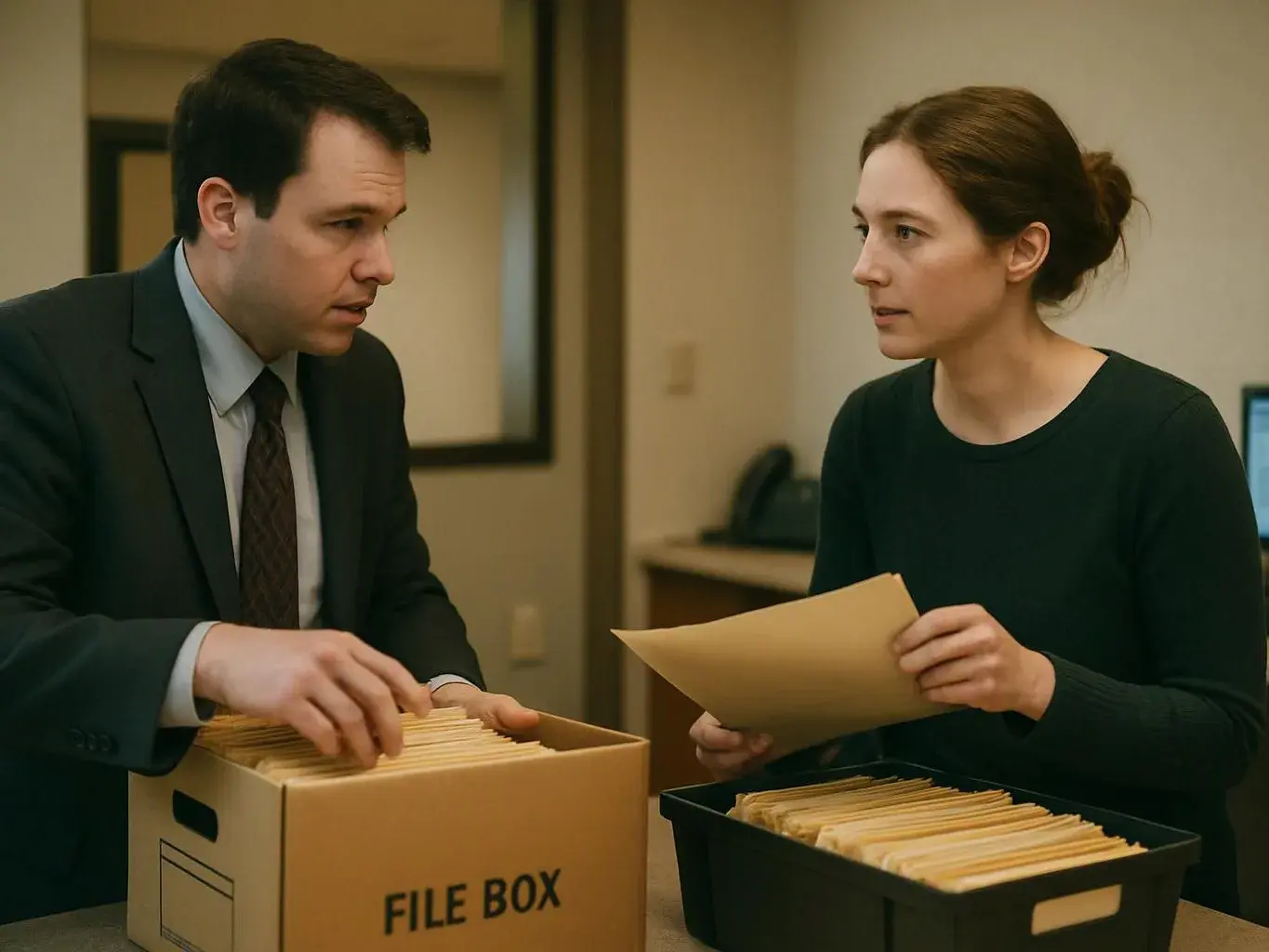
Failing to report a fall can leave the property manager and property owner without a clear notice of hazard record. This mistake often happens when a person feels embarrassed, expects symptoms to fade, or leaves before asking for an incident report.
The missing report can make reporting evidence harder to locate. We compare your account with messages, employee records, photographs, and other facts that may show when the property received notice.
Mistake: Waiting Too Long to Seek Medical Attention
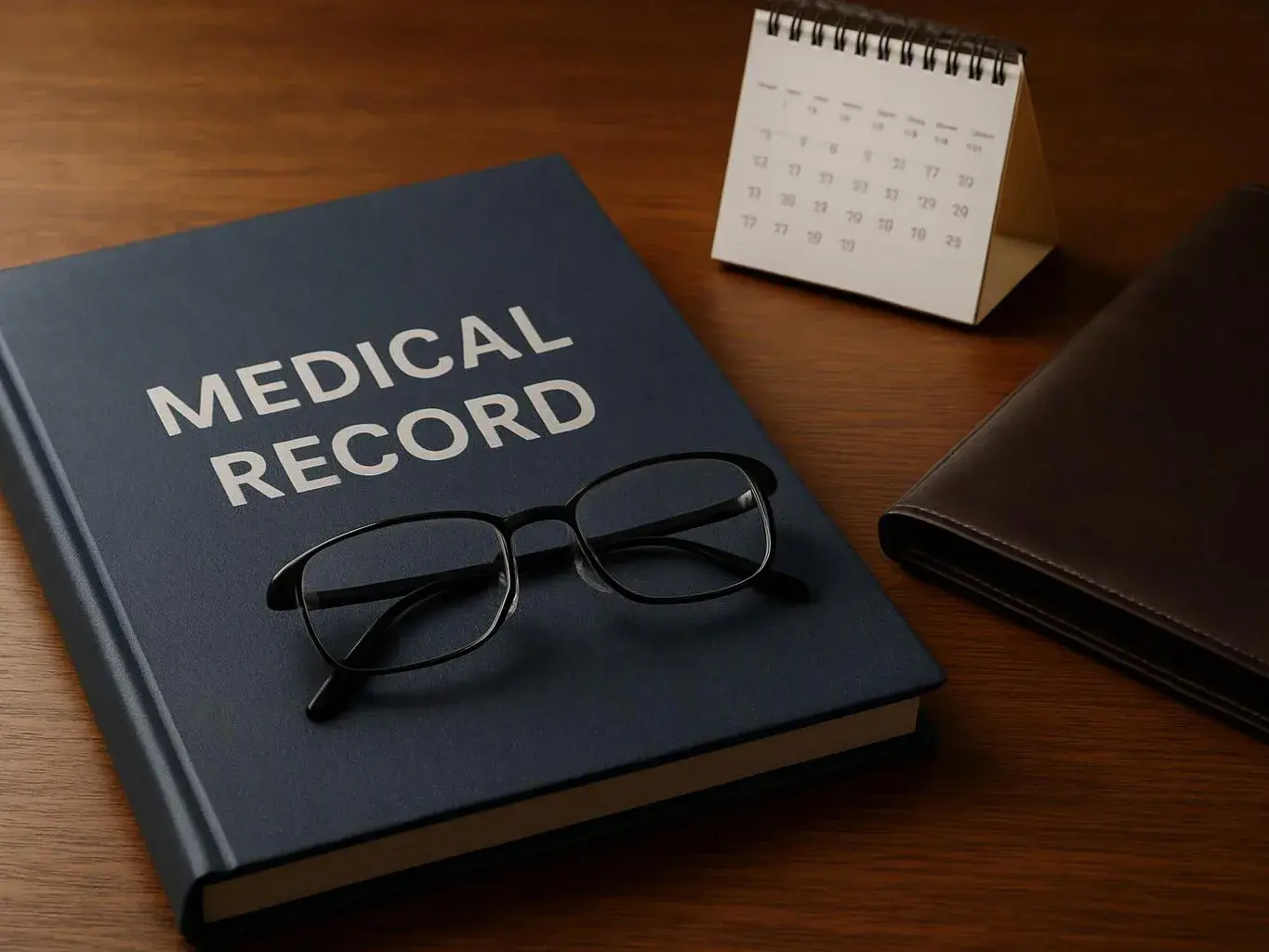
Waiting too long to seek medical attention can make injury symptoms and causation more difficult to explain. People sometimes delay care because pain develops gradually or they are concerned about treatment costs.
Delayed care can leave gaps in medical records and treatment documentation. We review the timing of symptoms, medical evaluation, treatment, and the accident when assessing the injury claim.
Mistake: Taking No Photos of the Hazard or Accident Scene
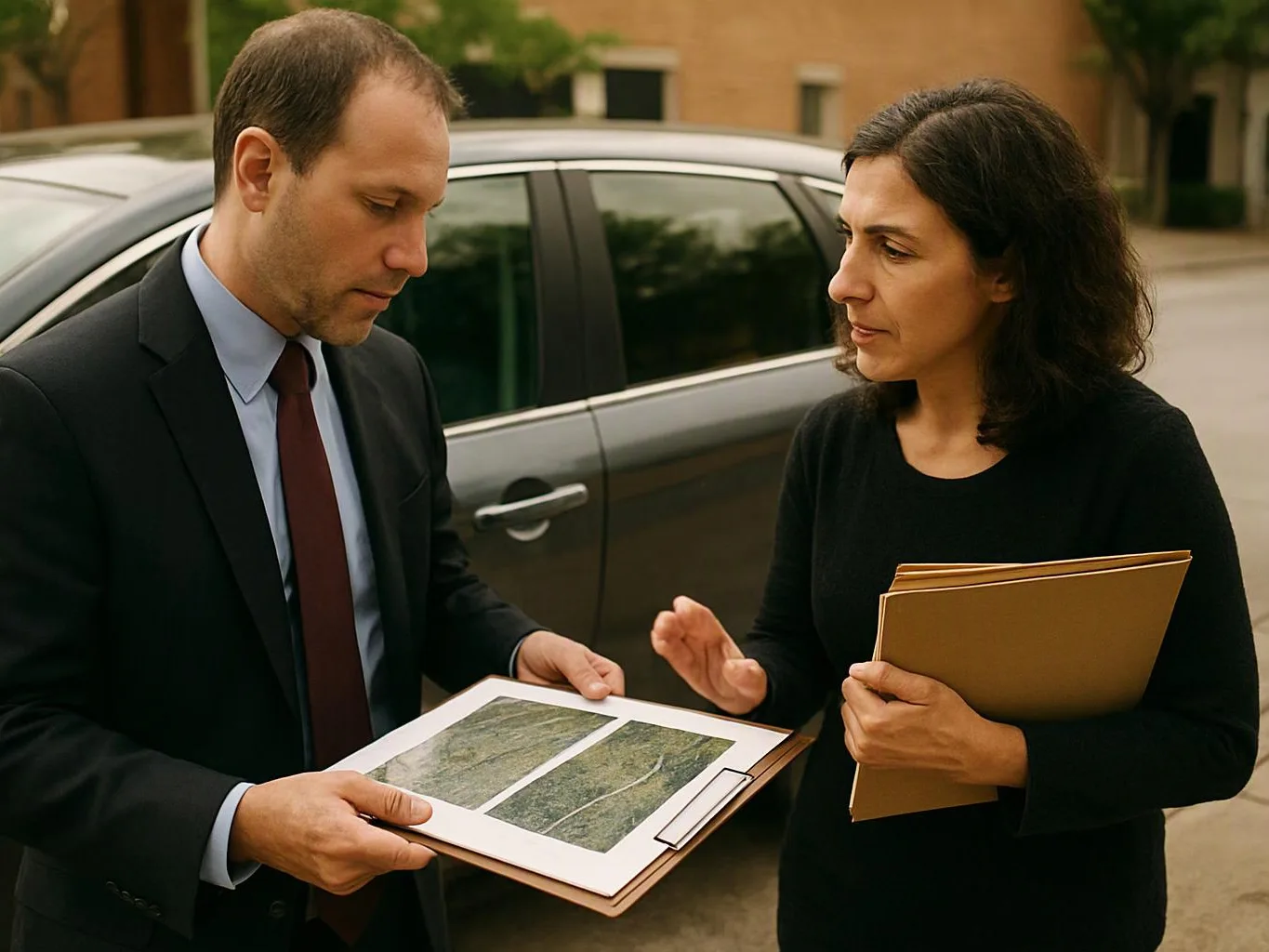
Taking no photographs can weaken proof of an unsafe condition such as a wet floor, uneven surface, or poor lighting. The hazard may look different after employees clean, repair, or rearrange the area.
Scene preservation gives the claim a clearer factual record. We examine available photographs for the condition, location, lighting, surrounding signs, and details that may support liability evidence.
Mistake: Assuming the Hazard Is Gone When You Cannot Photograph It
A cleaned-up hazard does not automatically end a premises liability claim. A person may be unable to take photographs because of an injury, because the condition was corrected, or because the fall happened before the person recognized its importance.
Maintenance records, surveillance footage, an incident report, and a detailed scene description may provide circumstantial evidence. We work to identify records that can show the condition, the response, and the timing of changes.
Mistake: Leaving Without Identifying Witnesses
Leaving without identifying an eyewitness can remove an important source of independent testimony. This mistake often occurs when the person is focused on pain, embarrassment, or reaching medical care.
Witness contact information can help confirm the accident scene and the unsafe condition. We review available names, employee accounts, messages, and other sources for consistent witness evidence.
Mistake: Assuming You Cannot Make a Claim Without Witnesses
You can make a witness-free claim when other evidence supports what happened and why the property condition caused the fall. Photographs, medical records, incident reports, surveillance video, and maintenance history may each help.
The absence of an eyewitness may affect the investigation, but it does not decide every claim. We organize the available evidence and assess whether it supports notice, negligence, causation, and injury.
Mistake: Giving an Incomplete or Speculative Statement
An incomplete or speculative incident statement can create confusion about the hazard, the fall, or the injury description. An insurance adjuster or property owner may use unclear wording when evaluating claim communication.
A factual account should separate what you saw, felt, and did from what you assume another person knew. We help organize the known facts and compare them with the available records.
Mistake: Posting About the Accident on Social Media
Social media posts can become claim evidence even when a post was meant for friends. Photographs, activity updates, comments, and privacy settings may be reviewed by an insurance defense team.
A post can create confusion if it does not reflect pain, treatment, or daily limitations. We consider the full context of communications and advise you to preserve relevant material without adding speculation.
Mistake: Throwing Away Shoes or Clothing From the Fall
Throwing away shoes or clothing can remove physical evidence related to the fall mechanism. Footwear condition, fabric marks, moisture, or damage may help explain how the accident happened.
Evidence preservation protects items that may later matter to the investigation. We identify clothing and footwear that should be retained and consider how those items fit with photographs and the scene description.
Mistake: Accepting a Settlement Before Understanding the Claim
Accepting a settlement offer before understanding the claim can end the ability to seek additional compensation. A release may affect medical treatment, future damages, and the available claim value.
An early offer may not reflect the full premises liability claim when treatment or injury effects are still developing. We review the offer, release, medical documentation, and liability evidence before discussing next steps.
How We Review Reporting, Photos, and Witness Evidence
Atlanta Auto Law reviews the available evidence as a connected account of what caused the fall, who may have known about the hazard, and how the injury was documented.
Our team compares the incident report, photographs, witness statements, surveillance footage, maintenance records, and medical documentation. We also look for gaps caused by a cleaned-up hazard, missing witnesses, or delayed reporting.
Our review may help clarify whether the facts support a Slip and Fall Claims case and what evidence should be preserved next.
When Should You Contact Atlanta Auto Law About a Slip and Fall?
Contact Atlanta Auto Law when important evidence may be lost, the property representative disputes the incident, or an insurer asks for information before the claim is understood.
Early guidance can help protect evidence preservation and keep insurance communication focused on known facts.
How to Preserve Your Slip-and-Fall Evidence
Preserving slip-and-fall evidence means keeping the materials that show the condition, the accident, the injury, and the response afterward.
What Can Change the Cost of Handling a Slip-and-Fall Claim?
The cost of handling a slip-and-fall claim depends on the investigation required, the injury documentation, the strength of liability evidence, and whether the insurer disputes the claim; Atlanta Auto Law can explain what a consultation and representation would cover.
Claim investigation may require reviewing property records, requesting surveillance footage, locating witnesses, and examining the notice history. Injury severity, medical documentation, insurance disputes, and settlement negotiations can also affect the work involved.
We offer Free Consultations so you can discuss the incident, the available evidence, and the next step for your claim.
What Evidence Supports a Slip-and-Fall Claim?
Evidence supports a slip-and-fall claim when it helps show the hazard, notice, the fall, the injury, or the effect of the accident.
| Evidence | What it may help show |
|---|---|
| Photographs | The hazard, scene layout, lighting, and visible injuries |
| Incident report | When the property received notice and how the event was recorded |
| Witness statement | An independent account of the accident scene and fall |
| Surveillance footage | The condition before, during, or after the accident |
| Maintenance records | Inspection, cleaning, repair, and notice history |
| Medical records | The injury, treatment, symptoms, and medical causation issues |
| Clothing and footwear | Condition and physical details related to the fall mechanism |
Questions About Slip-and-Fall Claim Mistakes
What if the property manager refuses to make an incident report?
Atlanta Auto Law can review other reporting evidence when a property manager refuses to make an incident report. Write down the refusal, preserve messages, identify witnesses, and keep photographs and medical records connected to the fall.
Can surveillance footage help with a slip-and-fall claim?
Yes, surveillance footage can help show the hazard, the accident, and what happened before or after the fall. We ask about possible cameras and consider how to preserve footage before it is overwritten.
Should I give an insurance adjuster a recorded statement after a fall?
No recorded statement should be given before you understand what the insurer is asking and how the statement may affect the claim. We can review the request and help keep the account factual and complete.
What should I keep after a slip-and-fall accident?
Keep photographs, witness information, incident reports, medical records, clothing, footwear, and communication records. Preserve messages from the property representative or insurer and tell us about possible surveillance footage.
Discuss Your Slip-and-Fall Claim With Our Team
Atlanta Auto Law reviews the accident details, evidence preservation issues, injury documentation, and insurance communication to help you understand your options.
Contact Atlanta Auto Law to discuss your claim and available evidence.
Free Consultations
Related Resources
Hiring a Lawyer vs Handling Your Injury Claim Yourself
Compared ToWhen to Hire a Lawyer Before Making an Insurance Claim Decision
Everything About ItEvidence in a Personal Injury Claim: Records, Photos, Video, and Expert Analysis
Everything About ItWhat to Do After an Accident: A Practical Guide to Protecting Your Health and Claim