Social Media Mistakes That Can Complicate an Injury Claim
Social media mistakes can give insurers and opposing parties context that may be used to challenge an injury claim. Atlanta Auto Law reviews posts, photos, tags, privacy settings, and account activity with the claim evidence before you respond or publish.
Written by Ronnie Mabra
Request an Estimate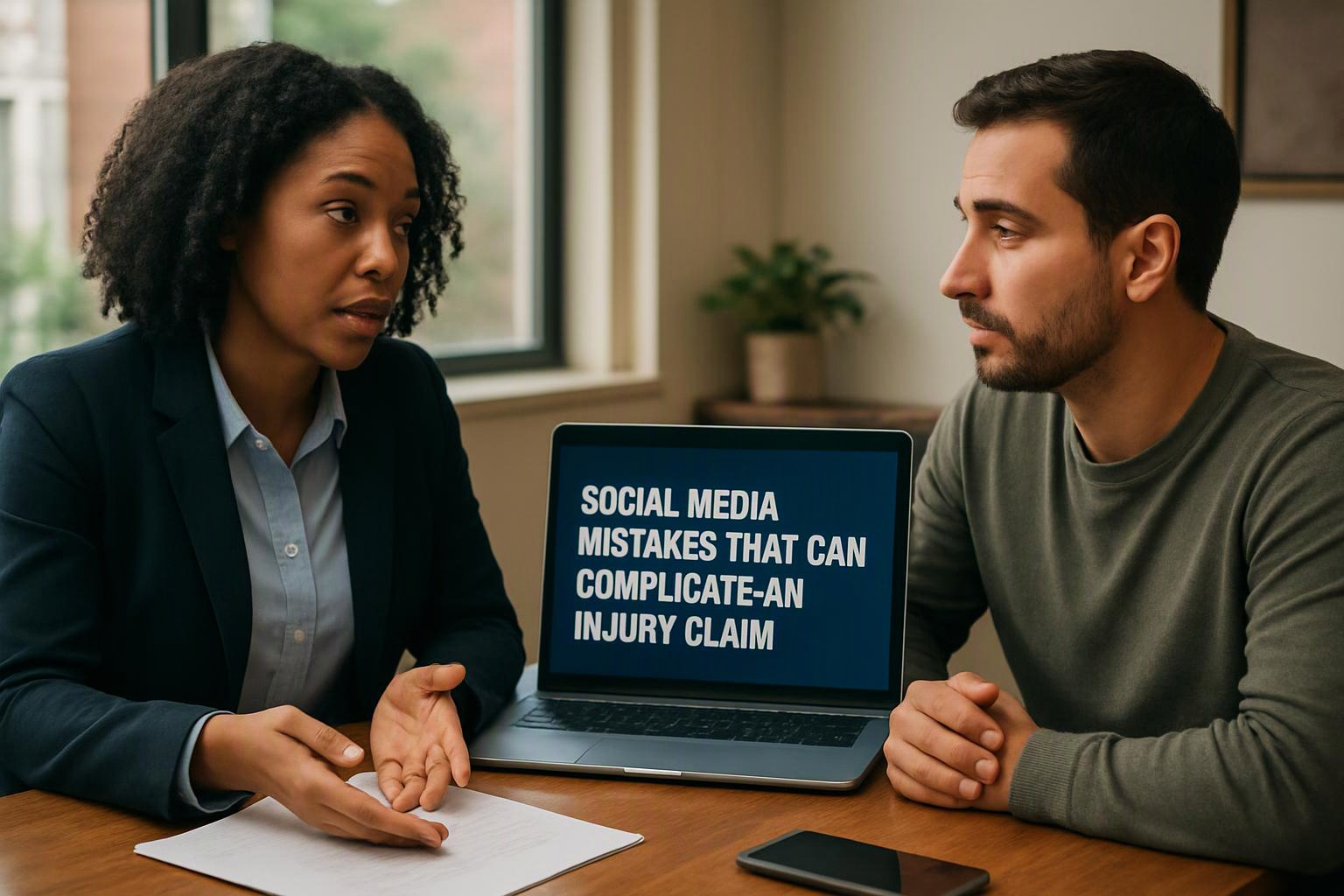
Why Social Media Matters in an Injury Claim
Social media activity can affect a personal injury claim when its wording, timing, images, or context is used to dispute liability, injury severity, recovery, or credibility. Atlanta Auto Law compares social media evidence with the accident report, medical records, and other claim evidence before we respond to an insurance company.
An insurance company or opposing party may review public posts during a claim investigation. A caption, comment, timestamp, photo, video, or tag may appear to tell only part of the story.
Our team looks at the full context, including what happened before the post and what your medical treatment allowed you to do. Ronnie Mabra provides the author guidance for this page.
The Social Media Mistakes That Create Claim Problems
Online communication becomes claim evidence when another party uses it to support a position about fault, liability, injury severity, or credibility. Digital evidence can also include direct messages, account history, deleted content, and activity created by someone else.
We review the account activity alongside the claim chronology. That review helps separate an accurate record from a post that lacks important context.
Posting About the Accident Before the Facts Are Reviewed
A post about an accident can create a fault statement before the facts are established. People often post while upset, confused, or responding to questions from friends.
The cost is a public statement that may conflict with the accident report, witness accounts, or later testimony. We preserve the original content and compare its wording with the claim narrative before addressing it.
Sharing Photos That Appear to Contradict Your Injuries
A social media photo can appear to show greater physical ability than your medical evidence describes. A picture of you standing, traveling, lifting an object, or attending an event may not show pain or recovery limitations.
The cost is a dispute over injury severity and claim credibility. We examine the date, caption, activity, duration, assistance, and medical records before deciding what the image means.
Accepting Tags or Being Tagged in Accident-Related Content
A social media tag can connect your account to a tagged photo, comment, or video that you did not create. Friends may post about the accident or show you participating in an activity without knowing the claim issues.
The cost is unwanted digital evidence that may be read without the surrounding facts. We review account notifications and tagged photos, then preserve relevant material and address inaccurate context.
Deleting Posts or Editing Your Account After the Accident
A deleted post or edited profile can raise a preservation concern when the change happens after a claim begins. People may remove content because they feel embarrassed or want to correct a careless statement.
The cost is a possible dispute about missing or altered evidence. We advise you to preserve the account history and explain what changed, when it changed, and why.
Arguing With the Insurer or Other Driver Online
An online argument with an insurance adjuster or other driver can create an admission or a hostile claim communication. Public replies may also reveal details that are incomplete or emotionally stated.
The cost is a statement that can be separated from the facts and used against your position. We handle the claim communication and help keep your response focused on documented evidence.
Discussing Settlement Discussions or Legal Advice Publicly
A public settlement discussion can expose confidential information about claim negotiation or attorney-client communication. Posts about legal advice may also create confusion about what was actually discussed.
The cost is reduced privacy around negotiation and a harder dispute over what was said. We keep settlement communication focused and explain which information should remain private.
Assuming Private Settings Keep Posts Out of the Claim
Privacy settings can limit an audience, but a private account does not guarantee that social media records stay outside a claim. A follower may save, share, screenshot, or describe content.
The cost is misplaced confidence about evidence access. We review your privacy settings and account activity while preserving relevant content without changing its meaning.
Posting Normal Activities Without Explaining the Context
A daily activity post can look inconsistent with recovery limitations when viewers cannot see the pain, preparation, assistance, or rest involved. A short outing does not necessarily show normal functional capacity.
The cost is an inaccurate argument about medical treatment and injury severity. We compare the post with medical records, symptoms, and the actual demands of the activity.
Letting Someone Else Manage or Speak Through Your Account
A third-party post made through your account can create an authenticity problem. Friends or family members may write captions, answer messages, or publish content without understanding the claim.
The cost is uncertainty about who made the statement and whether it accurately represents you. We preserve the account records and separate your words from another person’s online representation.
What to Do With Your Social Media After an Accident
Account preservation gives the claim team a reliable record to review. These steps reduce avoidable problems while keeping the focus on evidence and claim communication.
Do not create a new explanation online to repair an earlier post. We can review the original material and address the context through the claim process.
Social Media Activity: Risk and Safer Response
Social media activity does not have the same meaning in every claim. The safer response depends on who created the content, what it shows, when it appeared, and how it fits with the medical and accident evidence.
The table below provides a practical review guide. We use the same factors when assessing whether content needs preservation or explanation.
| Social media activity | Claim risk | Safer response |
|---|---|---|
| Post about an accident | A premature statement may affect fault or liability. | Preserve the post and stop public discussion. |
| Photo or video of physical activity | The content may appear to contradict injury severity. | Review the date, activity, limitations, and medical records together. |
| Tagged content from a friend | Another person’s post may be linked to your account. | Preserve the tag and explain who created the content. |
| Private account activity | Followers may share or preserve the content. | Treat private posts as possible claim evidence. |
| Deleted or edited content | Changes may create a preservation dispute. | Do not alter more content; tell our team what happened. |
When to Call Atlanta Auto Law About a Social Media Issue
Call Atlanta Auto Law when social media content may affect fault, injury severity, credibility, or an insurance communication. Early review helps preserve the record and prevents an avoidable response.
Our team can review these situations with the claim evidence:
We also address online issues when the claim involves a premises condition, a rideshare vehicle, or a motorcycle collision.
How We Review Social Media Evidence in a Personal Injury Claim
Atlanta Auto Law reviews social media evidence by placing each item in the claim chronology. We compare the account activity with medical records, the accident report, witness information, and other accident evidence.
Our team checks who created the content, when it appeared, whether it was edited, and what the surrounding comments or tags show. We then assess whether the material supports, conflicts with, or simply adds context to the injury claim.
We also review claim communication before you respond to an insurance adjuster. That process helps us address online content without creating new statements that distract from the documented facts.
Protecting Your Claim Across Accident and Premises Cases
Social media issues can arise in a car accident claim, motorcycle accident claim, rideshare accident claim, or premises liability claim. The same post may carry different meaning depending on the disputed facts and the injury evidence.
For vehicle collisions, we compare online content with the crash facts, liability evidence, and medical treatment. Our Car Accident Claims team uses that review to keep the digital record connected to the actual claim chronology.
Premises cases may involve posts about the property, the condition that caused the injury, or activities after the incident. We preserve relevant photos and videos, then evaluate them with the medical records and evidence about the property condition.
Questions About Social Media and Injury Claims
Can an insurance company use private social media posts in an injury claim?
Yes, an insurance company may try to use private social media posts when it obtains or receives access to them during a claim investigation. Atlanta Auto Law reviews the post’s source, context, timing, and connection to the medical and accident evidence.
Should I accept new friend or follower requests after an accident?
You should review new friend or follower requests carefully after an accident because an unfamiliar account may seek access to claim-related content. Avoid accepting requests that you cannot connect to a genuine personal relationship.
What should I do if I already posted about my injury?
Preserve the post and stop adding explanations or comments about the injury. Tell our team what you posted, when you posted it, and whether anyone responded, shared, edited, or deleted related content.
Can comments on someone else's post affect my personal injury claim?
Yes, comments on someone else’s post can affect a personal injury claim when they identify you, describe the accident, or discuss your activity and recovery. Preserve the full thread so the comment can be reviewed with its original context.
Should I change my social media privacy settings after an accident?
You may review your privacy settings after an accident, but you should not delete or edit existing content during that review. Privacy changes do not replace evidence preservation or careful claim communication.
Talk With Atlanta Auto Law Before Social Media Creates a Claim Problem
Atlanta Auto Law reviews social media posts, photos, videos, tags, privacy settings, and account activity with the rest of your personal injury claim. Contact our team before you respond to an insurance adjuster or change claim-related content.
Contact Atlanta Auto Law for a free consultation so we can discuss the evidence and the next claim communication.
Related Resources
Shared Fault and Pre-Existing Conditions in an Injury Claim
Compared ToHiring a Lawyer vs Handling Your Injury Claim Yourself
Compared ToWhen to Hire a Lawyer Before Making an Insurance Claim Decision
Everything About ItEvidence in a Personal Injury Claim: Records, Photos, Video, and Expert Analysis