Car Accident and Traumatic Brain Injury Claims: When Do You Need a Lawyer?
Car accident traumatic brain injury claims need legal guidance when a head injury affects diagnosis, fault, insurance, or long-term damages; Atlanta Auto Law reviews the facts through Free Consultations.
Written by Ronnie Mabra
Request an Estimate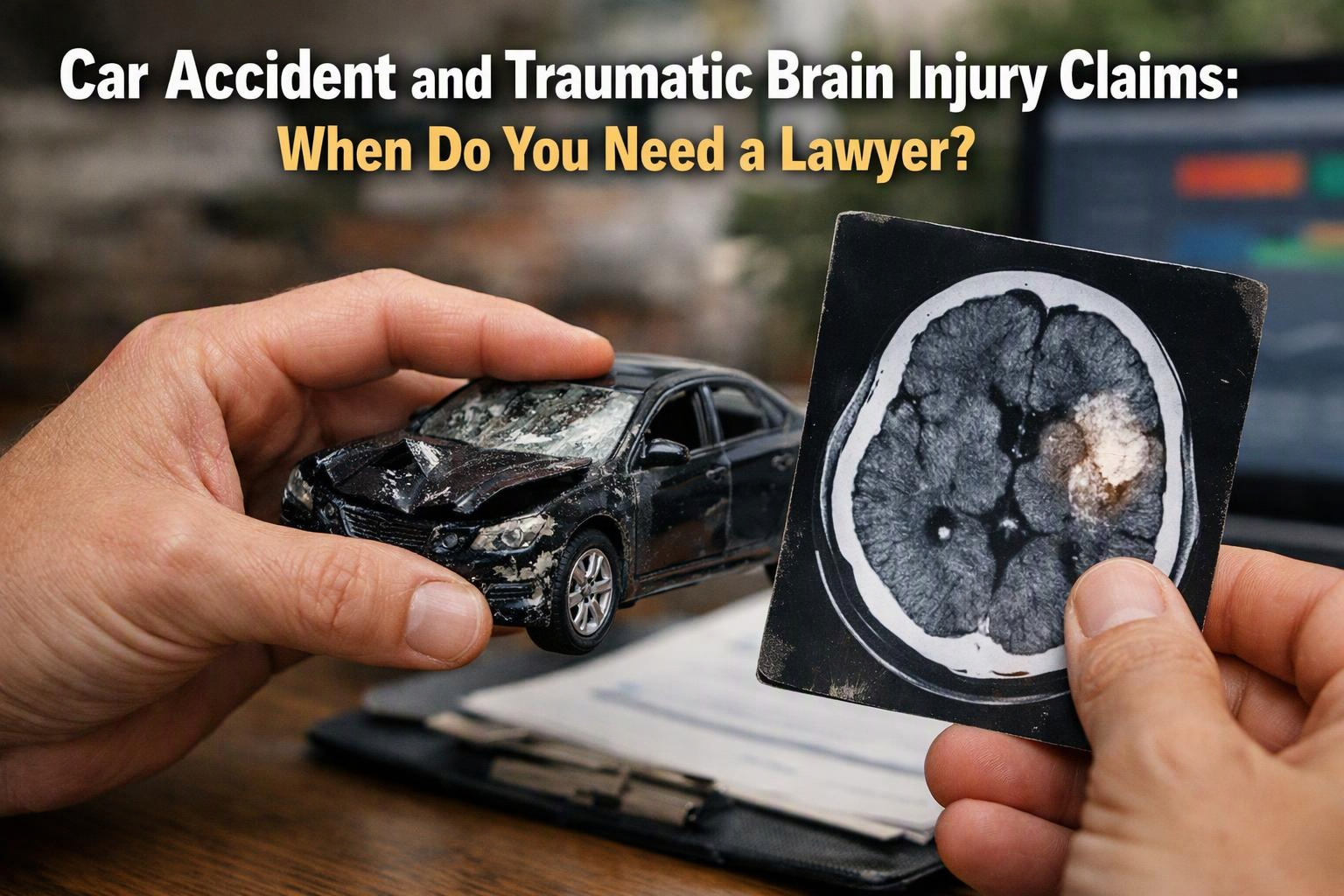
A car accident traumatic brain injury claim needs a lawyer when the injury is disputed, the recovery is uncertain, fault is contested, or the insurer does not fairly evaluate the claim.
Atlanta Auto Law reviews the collision, medical proof, liability, insurance claim, and damages together. Legal guidance can help when a concussion or other head injury affects your work, daily life, or future medical care.
A personal injury lawyer can also protect your position during conversations with an insurance adjuster. Early statements may not fully explain post-concussion symptoms, memory problems, or other long-term effects.
When Do You Need Both Car Accident and Traumatic Brain Injury Claims Help?
Car accident and traumatic brain injury claims work together when the collision caused a head injury whose medical, financial, and legal consequences must be connected.
You may need both services when the claim involves situations such as these:
Our team connects the car accident claim to the traumatic brain injury claim so the settlement reflects both the collision and its effects. The evidence must show how the crash caused the injury and how the injury changed your life.
How Car Accident and Brain Injury Legal Work Fit Together
Car accident legal work establishes who caused the collision, while brain injury legal work documents how the injury affects diagnosis, treatment, function, and losses.
Negligence may involve unsafe driving, failure to follow traffic rules, or another act that caused the crash. We examine collision evidence, the accident report, witness accounts, and other facts to evaluate liability.
Brain injury work focuses on causation and medical documentation. We organize the medical chronology, review treatment records, and connect symptoms to the collision when the evidence supports that connection.
Damages may include medical bills, lost wages, pain and suffering, future losses, and future care needs. Insurance coverage affects how the claim can be evaluated and resolved.
What Does Each Service Handle in a Combined Claim?
A combined claim uses the car accident investigation and the traumatic brain injury review for different but connected purposes. Each part supports the other during claim evaluation and settlement negotiations.
Cost is shaped by the complexity of the liability dispute, the amount of medical documentation, the need for expert evidence, and the work required to resolve the claim. We explain the claim process and the expected work during a case review.
What Evidence Supports a Traumatic Brain Injury Claim?
A traumatic brain injury claim is supported by medical records, symptom documentation, collision evidence, witness accounts, and proof of financial and functional effects.
Emergency room records can document the first examination and reported symptoms. Follow-up records from a neurologist may help explain continuing problems, while a neuropsychological evaluation may address changes in memory, attention, or processing.
A consistent symptom history can help show how the head injury affected daily activities and work. A witness statement may describe changes that the injured person did not notice or could not fully explain.
We also review the accident report, vehicle damage, photographs, and other collision evidence. Accident reconstruction may help address impact forces, vehicle movement, or disputed fault when those issues matter.
Medical bills, employment records, and other financial documents support the damages portion of the claim. The evidence should show both current losses and possible future care needs.
How We Build the Link Between the Crash and the Brain Injury
Atlanta Auto Law builds causation by comparing collision evidence with the medical chronology and the documented course of symptoms.
Our approach keeps the collision facts and medical facts connected. That structure helps us identify gaps before we evaluate a demand package or settlement position.
What Changes the Value and Cost of a Brain Injury Claim?
The value and legal cost of a brain injury claim depend on injury evidence, treatment needs, liability complexity, recoverable losses, insurance coverage, and the work required to resolve the claim.
Injury severity and recovery outlook affect how we evaluate the claim. A mild traumatic brain injury may still create meaningful post-concussion symptoms, lost wages, pain and suffering, or future losses.
Treatment needs and future medical care can require careful medical review. We also examine how the injury affects work, household tasks, relationships, and other parts of daily life.
A liability dispute can require more collision evidence and legal analysis. Insurance coverage also affects the available path for settlement and the information needed for a complete claim evaluation.
There is no single cost for handling every brain injury claim. We explain the factors that drive the work and what a case review includes before discussing how the claim may proceed.
What Should You Do After a Car Accident With Possible Brain Injury?
After a car accident with possible brain injury, seek medical evaluation, follow treatment instructions, preserve relevant records, and obtain legal guidance before resolving the claim.
Early records can help preserve the connection between the crash and the head injury. Our team can review what has been collected and identify evidence that may still need to be preserved.
How Atlanta Auto Law Review Your Claim?
Atlanta Auto Law reviews the collision, injury evidence, liability issues, insurance position, and damages during Free Consultations.
We begin by listening to how the car accident happened and how the symptoms developed. We then consider the medical records, treatment history, work effects, and available insurance information.
Our team looks for gaps between the accident evidence and the injury proof. We explain how those gaps may affect causation, settlement evaluation, and the next stage of the claim.
Case review can address a concussion claim, mild traumatic brain injury claim, or more serious head injury claim. We help determine whether legal representation is appropriate based on the facts and the disputed issues.
Author: Ronnie Mabra
What Questions Should You Ask Before Hiring a Brain Injury Lawyer?
The right questions help you understand how a brain injury lawyer will review evidence, build case strategy, communicate, and evaluate settlement decisions.
Clear answers can help you understand the relationship between the car accident claim and the traumatic brain injury claim. We use the available facts to explain the choices that may affect your legal claim.
Questions About Car Accident Brain Injury Claims
Can you file a car accident claim for a concussion?
Yes, a concussion can support a car accident claim when medical and other evidence connects the injury to the collision. Atlanta Auto Law reviews the diagnosis, symptom history, treatment, financial losses, and liability evidence before evaluating the claim.
Can a traumatic brain injury appear after a car accident?
Yes, a traumatic brain injury can become noticeable after a car accident when symptoms develop or become clearer over time. Medical evaluation and consistent symptom documentation can help explain when the symptoms began and how they relate to the crash.
What if the insurance company says the brain injury was pre-existing?
A pre-existing condition does not by itself resolve whether the car accident caused a new injury or worsened an existing condition. Medical records, prior function, symptom timing, treatment history, and expert evidence may help address the insurer’s position.
What evidence proves a brain injury was caused by a car accident?
Evidence may include medical records, symptom history, emergency room documentation, follow-up care, witness statements, accident evidence, and records of financial or functional effects. The strength of the causation argument depends on how these records fit together.
Should you speak with the other driver's insurance company after a head injury?
You should use care when speaking with the other driver’s insurance company after a head injury because early statements may not reflect the full diagnosis or recovery outlook. Medical evaluation and legal guidance can help you understand what information is relevant before discussing settlement.
Review Your Car Accident Brain Injury Claim
Atlanta Auto Law reviews the collision, medical proof, insurance position, liability, and damages during Free Consultations.
We can help you understand how the evidence may support a car accident claim and a traumatic brain injury claim together. Contact us to discuss the facts before making a settlement decision.